I smoked one cigarette after quitting. Did I ruin everything?
If you smoked one cigarette after quitting, here is how to stop a slip from turning into a full return to smoking.
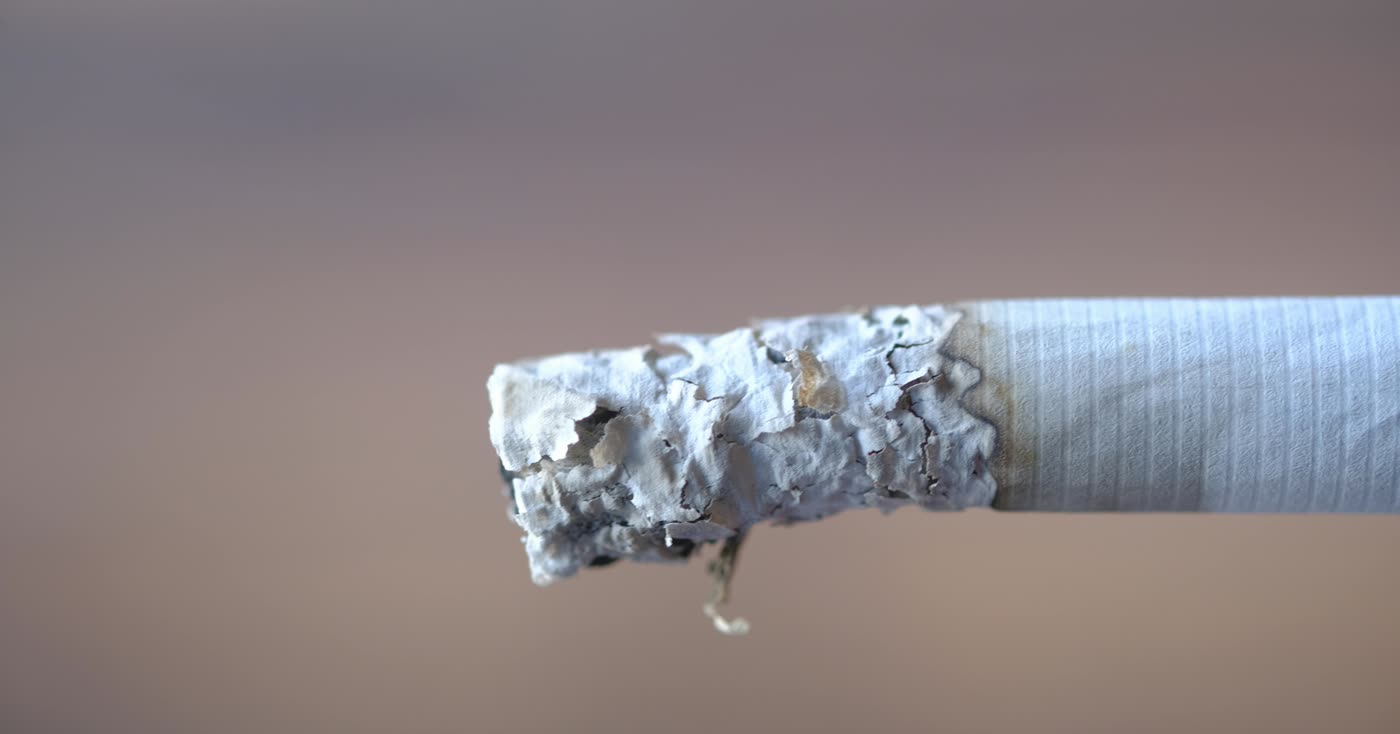
No, one cigarette does not mean you ruined everything. It means you had a slip: you smoked after quitting, and now the important move is to stop the slip from becoming regular smoking again.
Do not spend the next hour attacking yourself. Put the cigarette out, remove access to the next one, and restart now, not Monday, not next month, not after finishing the pack.
This content is informational and does not replace medical advice. If quitting brings severe anxiety, intense low mood, chest pain, severe shortness of breath, or thoughts of self-harm, seek medical help immediately.
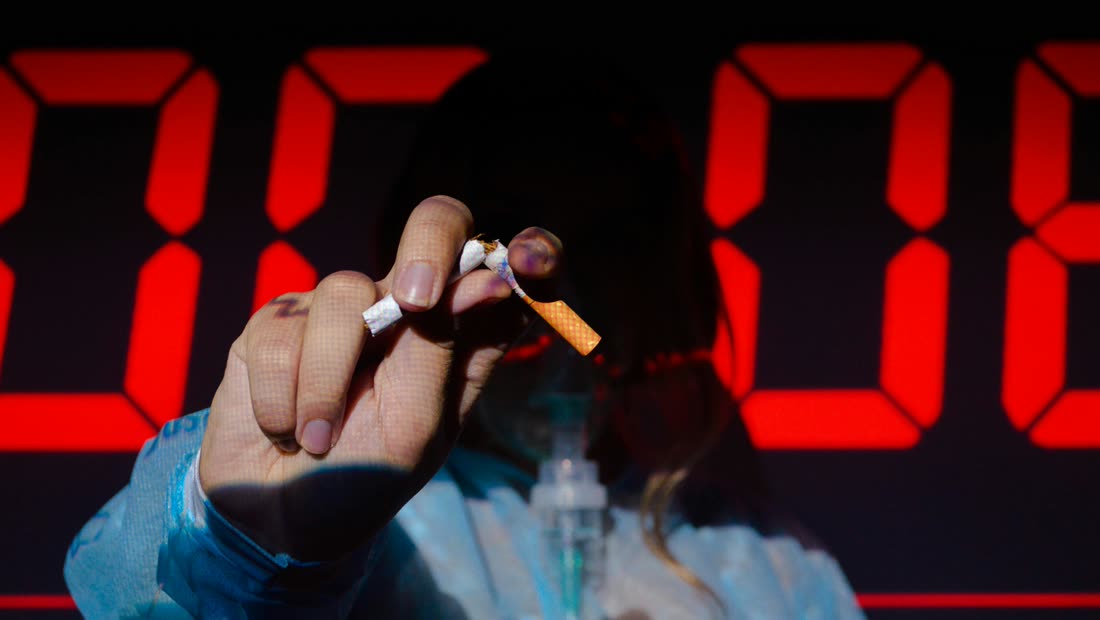
What to do in the next 10 minutes
Keep this very practical.
- Put out the cigarette.
- Throw away or destroy the rest of the pack if you bought one.
- Move away from the place where you smoked.
- Drink water or brush your teeth.
- Text one person: “I smoked one. I am stopping again now. Please do not offer me any.”
- Write one line: “The trigger was ___.”
- Set a 10-minute timer and do something with your hands.
MedlinePlus gives the same basic advice: stop smoking again right away, get rid of the remaining cigarettes, and do not treat a slip as proof that you failed.
A slip is not the same as going back to smoking
A slip is one cigarette or a short return to smoking followed by getting back to not smoking. A relapse is when smoking becomes your regular pattern again.
That difference matters because shame can push people from one cigarette to “I blew it, so I might as well smoke the whole pack.” That sentence is the dangerous part.
Smokefree.gov is clear: a slip is a temporary setback, not a return to square one. Be honest about it, learn from it, and keep going.
Do you need to reset your smoke-free timer?
This is personal. Some people reset the timer because it helps them be honest. Others keep the original quit date and add a note: “One cigarette on day 12.”
What matters more than the timer is your next action.
A useful middle ground:
- Keep your original quit date as the start of this quit attempt.
- Log the cigarette as a slip.
- Note the trigger, location, mood, and who you were with.
- Restart your “no cigarettes at all” rule immediately.
Smoke Free Tracker can help you record the slip without turning it into a drama. The point is not to punish yourself. The point is to catch the pattern before it repeats.
For craving tools, see the nicotine cravings guide.
Why “just one” can feel so powerful
Nicotine is addictive, and smoking is tied to routines: coffee, alcohol, after meals, driving, stress, boredom, friends who smoke. One cigarette can wake up those old links fast.
That does not mean you are weak. It means the habit has a map.
Ask:
- Was I hungry, tired, angry, or drinking?
- Was I with someone who smokes?
- Did I keep cigarettes “just in case”?
- Was I testing myself?
- Did I think, “I can have one and stay in control”?
You are not writing a confession. You are collecting useful data.
Do not finish the pack
If you bought a pack, your brain may argue that wasting it is silly. It is not silly. Keeping the pack nearby makes the next cigarette much easier.
Options:
- Destroy the cigarettes.
- Soak them in water.
- Put them in an outside bin.
- Give your lighter to someone else.
- Leave the smoking area immediately.
The money is already spent. The question is whether the pack also gets to take tomorrow.
What if you used nicotine replacement therapy?
If you are using nicotine replacement therapy, such as patches, gum, or lozenges, do not automatically stop because you had one cigarette. MedlinePlus notes that a temporary slip does not mean you have to stop nicotine replacement therapy.
If you are unsure what is safe for you, especially if you are pregnant, breastfeeding, under 18, have a heart condition, or use prescription medicines, ask a healthcare professional.
How to lower the risk tonight
The hours after a slip matter. Make the next cigarette harder to reach.
Try this plan:
- Avoid alcohol tonight if it was part of the slip.
- Do not stand in your usual smoking place.
- Change the after-meal routine: brush teeth, walk, wash dishes, or shower.
- Tell one smoker friend not to give you cigarettes.
- Go to bed earlier if you are tired and bargaining with yourself.
- Keep gum, mints, water, or something to hold near you.
CDC guidance on quitting includes preparing for urges, using substitutes for hands and mouth, and getting support through quitlines or counseling. You do not need to handle the next craving with willpower alone.
What to say to yourself instead of “I failed”
Use a sentence that is true and useful.
Try:
- “I smoked one cigarette. I am not smoking the next one.”
- “This is a warning sign, not the end.”
- “I need to remove the trigger, not attack myself.”
- “I still avoided many cigarettes before this.”
- “I am restarting now.”
The goal is not positive thinking. The goal is to stop the spiral quickly.
If you are already back to smoking regularly
Then call it what it is: smoking again. That is not a moral failure, and it is not permanent.
Smokefree.gov notes that many people need several tries before quitting for good. If you are back to daily smoking, restart as soon as possible, today or tomorrow at the latest if you can. Look at what worked before, what broke down, and what support you need this time.
You may need a stronger plan:
- a quitline or local stop-smoking service
- counseling
- nicotine replacement therapy or prescription quit-smoking medication
- removing cigarettes from home and car
- avoiding high-risk situations for the first week
- asking people around you not to smoke near you
Trying again is not starting from zero. You learned something.
If this happened to you, stay close to the basics: remove the next cigarette, write down the trigger, and make the next hour easier to get through.
Sources
- Smokefree.gov, Get Back on Track After a Setback: https://smokefree.gov/challenges-when-quitting/stick-with-it/get-back-on-track
- MedlinePlus, How to stop smoking: Dealing with a slip up: https://medlineplus.gov/ency/patientinstructions/000855.htm
- CDC, Tips For Quitting: https://www.cdc.gov/tobacco/campaign/tips/quit-smoking/tips-for-quitting/index.html
- CDC, How to Quit Smoking: https://www.cdc.gov/tobacco/about/how-to-quit.html
Frequently asked questions
-
Did one cigarette undo the health benefits of quitting?
- One cigarette is not good for you, but it does not erase every smoke-free hour or day. The bigger risk is using it as permission to return to regular smoking. Stop again now and keep going.
-
Should I tell someone I smoked?
- If the person is supportive, yes. Keep it simple: “I smoked one. I do not want it to turn into more. Please help me avoid the next one.” Avoid people who will shame you or offer another cigarette.
-
What if I keep slipping?
- Repeated slips mean your plan needs more support, not more self-hate. Identify the common trigger and add help: quitline, counseling, medication support, removing cigarettes, or changing routines around alcohol, stress, meals, or friends who smoke.
Related quit-smoking guides
Useful next reads if you want a clearer plan for cravings, timelines, money, or health milestones.
- Nicotine cravings What cravings feel like, why they spike, and what to do when the urge hits.
- Quit smoking timeline A simple timeline for the first hours, days, weeks, and longer smoke-free milestones.
- Smoking cost calculator Turn pack price and daily cigarettes into a number you can actually feel.
- Health milestones Cautious, source-backed milestones for what can change after quitting.
- Day 2 after quitting Why the second day can feel messy and how to get through it.
- Is day 3 the hardest? A grounded look at the day-3 spike and what usually comes next.
- First 3 days smoke-free A practical map for the first 72 hours without cigarettes.