
Constipation after quitting smoking: why it can happen
Why digestion may feel slower after quitting smoking and simple steps that may help.
Jump into the main guides before reading the full archive.
Why digestion may feel slower after quitting smoking and simple steps that may help.

Brain fog can make work and daily tasks harder after quitting smoking. Learn why focus dips, what may help, and when to get medical advice.

Why weight gain can happen after quitting smoking, what may help, and why smoking again is not the fix.

How a short walk can interrupt a cigarette craving and when it is not enough on its own.
A simple 10-minute method to ride out cigarette cravings without making a big dramatic plan.

How nicotine cravings usually change over time, why they return, and what to do when they hit.
Mouth ulcers can appear after quitting smoking, especially early on. Learn what may help and which sores need a dentist or doctor's assessment.

A plain guide to common nicotine withdrawal symptoms, what may help, and when to get medical support.
Why one cigarette can pull you back in, and what to do when your brain starts bargaining.

Quit-smoking motivation often drops after the first push. Here is a practical way to keep going when you no longer feel fired up.

Why no-account quit smoking apps can feel safer, what local storage means, and what to check before adding personal notes.
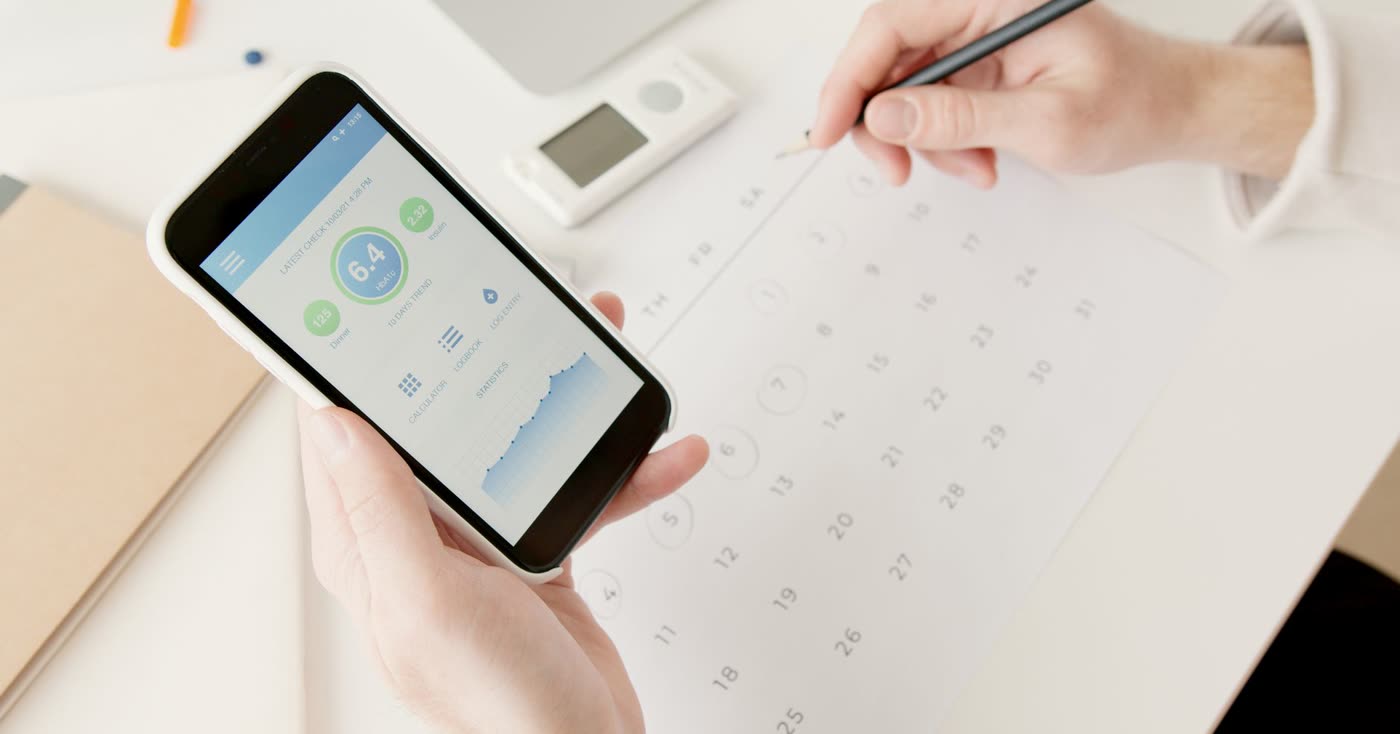
A practical checklist for choosing a free quit smoking tracker: timer, savings, cravings, privacy, and honest limits.
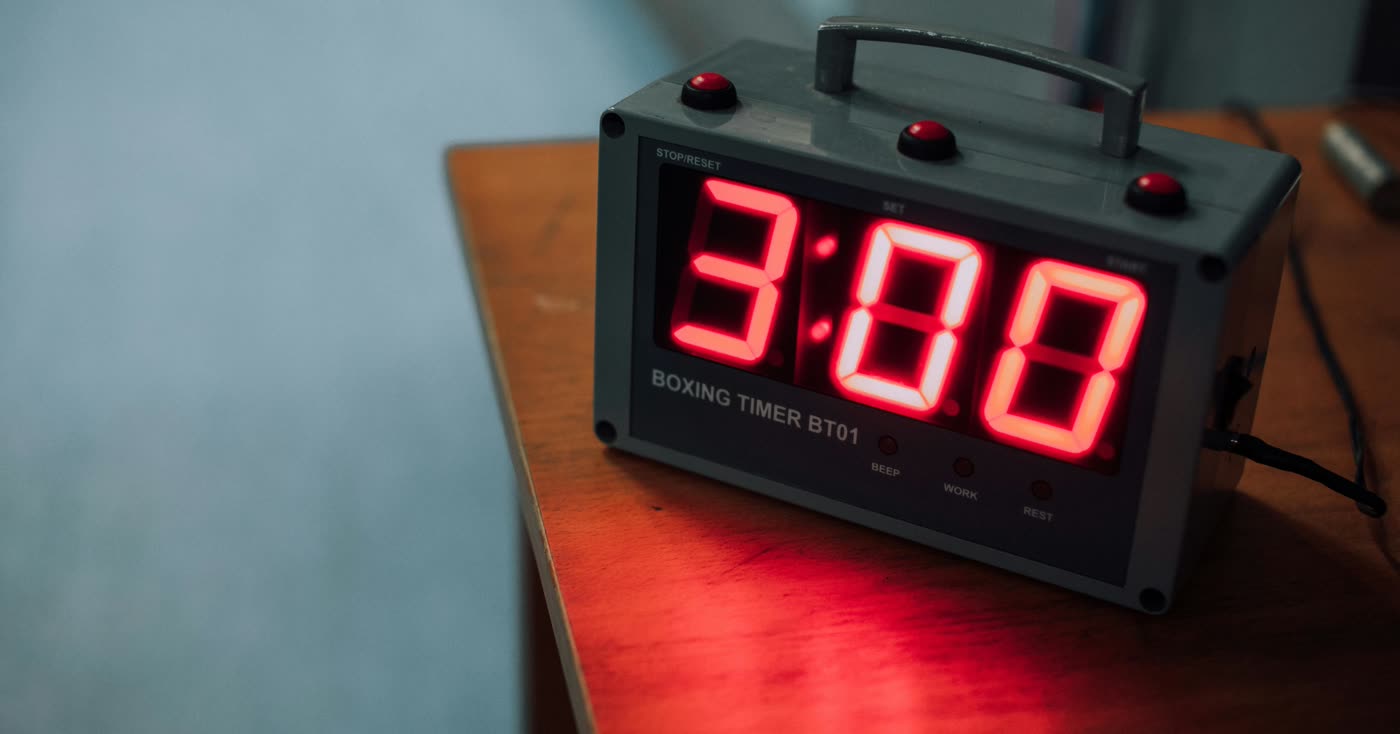
A smoke-free timer can turn progress into something visible, but it works best when you use it with a practical craving plan.

A simple quit-smoking journal format for cravings, triggers, slips, wins, and what to do when you do not know what to write.

Tracking nicotine cravings helps you spot triggers, plan better responses, and see that urges pass without smoking.

How to restart after a previous quit attempt without turning it into proof that you cannot quit.

Boredom can trigger cigarette cravings because smoking used to fill empty time. Learn how to plan for can’t-think moments without smoking.

Coffee can trigger cigarette cravings because the two habits may be wired together. Learn practical ways to weaken the coffee-smoking loop.

Alcohol can make cigarette cravings sharper after quitting. Learn why it happens and how to reduce the risk before you drink.

Being around friends who smoke can make quitting harder. Here is a practical plan for social cravings without avoiding everyone forever.

Smoked after quitting? Learn the difference between a slip and relapse, what to do today, and how to stop one cigarette becoming a pattern.
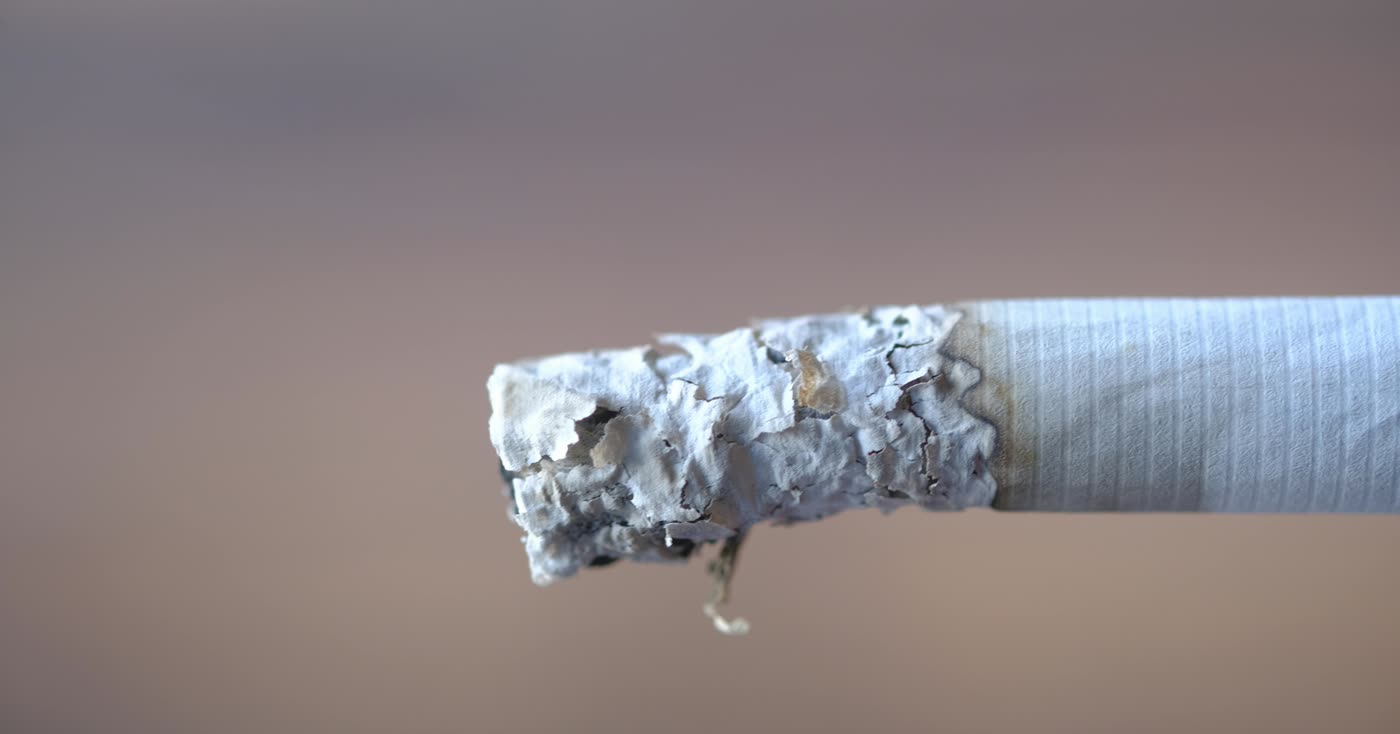
If you smoked one cigarette after quitting, here is how to stop a slip from turning into a full return to smoking.

A practical way to use cigarette savings without turning it into another pressure project: small rewards, emergency money, and visible progress.

Calculate the yearly cost of smoking with a simple formula, including examples for half-pack, pack-a-day, and heavier smoking.

A simple way to calculate one month of cigarette savings, with realistic examples and what to do with the money you keep.

Shortness of breath after quitting smoking can happen for several reasons. Learn why breathing may feel worse, what can help, and when to get medical advice.

Taste and smell can improve soon after quitting smoking, but the timeline varies. Here is what to expect and when to get symptoms checked.

Why coughing can increase after quitting smoking, what may help, and which cough symptoms should be checked urgently.

Headaches can happen after quitting smoking. Learn possible causes, simple ways to cope, and warning signs that need medical help.

Why anger and irritability can show up after quitting smoking, what to do in the moment, and when mood symptoms need help.

Stress can make cigarette cravings feel urgent. Here is a practical plan for getting through stressful moments without smoking.

Why sleep can get messy after quitting smoking, what usually helps, and when poor sleep needs medical advice.

If the first cigarette of the day feels automatic, change the first 10 minutes. Here is a practical morning plan for quitting smoking.

Crave a cigarette after eating? Learn why meals trigger smoking urges and what to do in the first 10 minutes after a meal.

Night cravings can hit harder because routines, tiredness, stress, and withdrawal stack up. Here is how to plan for the evening without smoking.

At 100 days smoke-free, the early crisis is behind you, but triggers can still appear. Here is what 100 days means and how to protect it.

At one month smoke-free, cravings may be less frequent and breathing, coughing, energy, or confidence may start changing. Here is what to expect.

Day 3 can be hard when quitting smoking. Learn how long nicotine cravings usually last, why they peak, and how to get through them.

A practical guide to the first smoke-free week: cravings, withdrawal symptoms, early health changes, and how to get through it.

Day 2 without smoking can bring stronger cravings, irritability, cough, sleep changes and brain fog. Here is what is common and what to do today.

A practical guide to the first 72 hours after quitting smoking: cravings, withdrawal symptoms, breathing changes, and what to do each day.
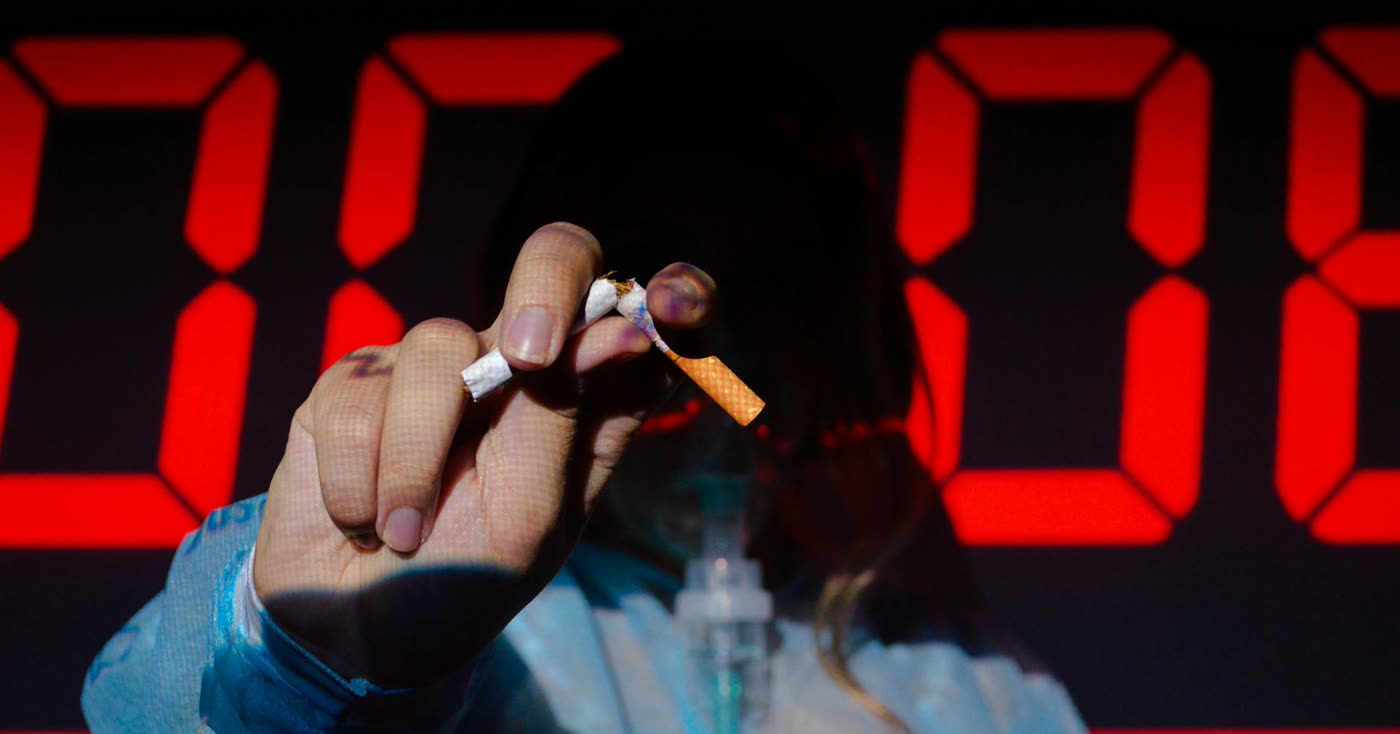
A practical, plain-English guide to what changes in your body during the first day without cigarettes.

Cravings peak fast and fade fast. Here is a small, practical playbook for the worst minutes, without the hospital-brochure tone.