Why nicotine cravings can feel worse at night
Night cravings can hit harder because routines, tiredness, stress, and withdrawal stack up. Here is how to plan for the evening without smoking.
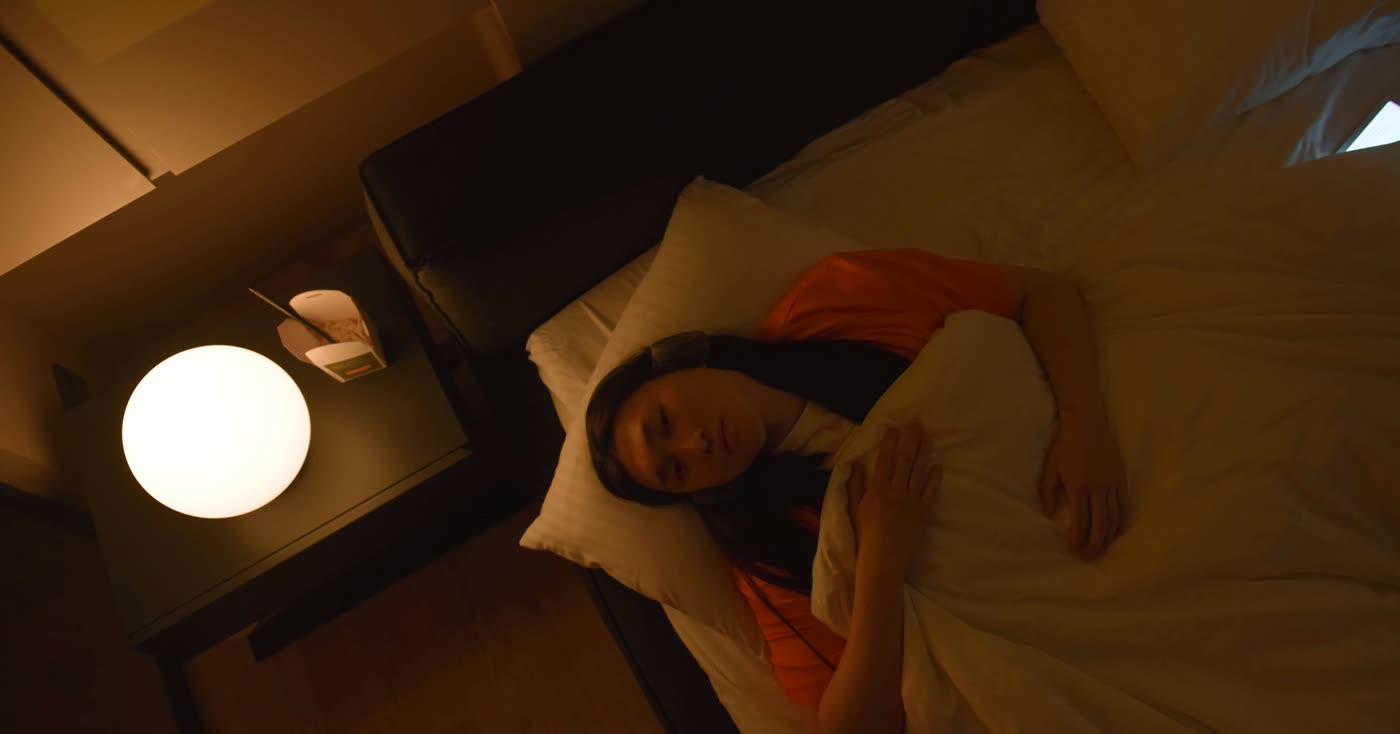
Nicotine cravings can feel worse at night because there is less structure, more tiredness, and more room for old smoking routines to replay. If you used to smoke after dinner, on the balcony, while watching TV, or right before bed, your brain may treat the evening like a cigarette appointment.
That does not mean you are failing. It means night is one of your trigger windows.
This content is informational and does not replace medical advice. If you have chest pain, severe shortness of breath, intense panic, or thoughts of self-harm, seek medical help immediately.
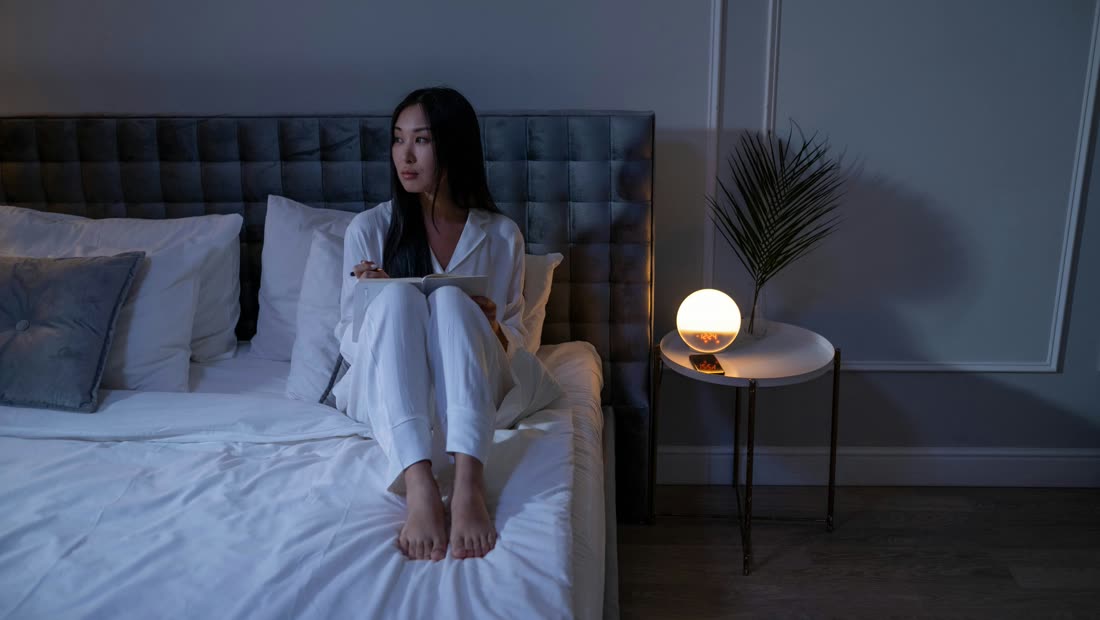
Why cravings show up at night
Public-health sources describe cravings as a normal part of nicotine withdrawal and as something that can be triggered by routines, places, feelings, and situations. Smokefree.gov calls these “triggers,” and NHS lists before going to bed, watching TV, relaxing at home, stress, and daily routines as common examples.
At night, several things can stack together:
- Routine memory: “I usually smoke after dinner” or “I smoke before bed.”
- Less distraction: work, errands, and people may be gone, so the craving gets louder.
- Tired self-control: when you are exhausted, bargaining sounds more convincing.
- Withdrawal symptoms: CDC lists cravings, restlessness, sleep trouble, irritability, and mood changes as common withdrawal symptoms.
- Stress replay: the day is over, but your brain starts reviewing everything that annoyed you.
A night craving is often not one thing. It is habit, withdrawal, and tiredness arriving at the same time.
The first rule: do not negotiate in bed
If you are lying in bed thinking about smoking, do not turn it into a debate.
Try this instead:
- Sit up or get out of bed for a few minutes.
- Drink water.
- Brush your teeth or use mouthwash.
- Put on a short audio track, calm music, or a boring podcast.
- Tell yourself: “I can reassess in 10 minutes.”
A craving is not a command. Smokefree.gov reminds readers that every craving passes if you give it time.
Make an evening plan before the craving starts
Night cravings are easier to handle at 7 p.m. than at 11:40 p.m. when you are tired and annoyed.
Pick two or three rules for tonight:
- No cigarettes, lighters, or ashtrays visible at home.
- Change the after-dinner routine: wash dishes, shower, walk, or make tea.
- Avoid the old smoking spot for a while.
- Keep gum, mints, a straw, or a toothpick nearby.
- Put your phone charger away from the balcony, porch, or window where you used to smoke.
- If alcohol is a trigger, skip it in the early weeks or keep the amount lower.
NHS recommends changing habits and planning for situations that trigger cravings. This is exactly that: not heroic willpower, just fewer traps.
If cravings hit after dinner and continue into the night
After-dinner cravings often bleed into night cravings. Your brain may expect the same sequence: eat, clear the plate, smoke, relax.
Break the sequence quickly:
- Stand up as soon as the meal ends.
- Change rooms.
- Rinse your mouth or brush your teeth.
- Do one small chore for five minutes.
- Walk outside without cigarettes, or avoid going outside if outside equals smoking for you.
If after-meal cravings are your main problem, the nicotine cravings guide can help you build a broader craving plan.
Use tracking to spot your night pattern
Memory gets fuzzy after a craving passes. Tonight, write down three things:
- time of craving
- what happened right before it
- what helped, even a little
Smoke Free Tracker can help you log cravings and notice patterns like “after dinner,” “when tired,” “after arguments,” or “while watching TV.” You do not need a perfect journal. One honest line is enough.
What if night cravings disturb sleep?
Sleep trouble can happen after quitting. CDC and Smokefree.gov both list trouble sleeping as a common withdrawal symptom, and Smokefree.gov notes that withdrawal is often strongest in the first few days or weeks.
A few low-risk sleep supports may help:
- keep caffeine earlier in the day, especially because CDC notes caffeine can last longer in your body after quitting
- avoid using the bed as a place to argue with cravings
- keep the room cool and dark
- repeat the same short wind-down routine each night
- get medical advice if sleep problems are severe, persistent, or connected with anxiety or depression
Do not use smoking as a sleep tool. It may feel like relief because nicotine withdrawal quiets down temporarily, but that keeps the loop alive.
Night cravings often overlap with sleep trouble. Keep the evening plan simple, and if sleep problems become severe or persistent, get medical advice instead of trying to solve it with cigarettes.
Sources
- Smokefree.gov, Know Your Smoking Triggers: https://smokefree.gov/challenges-when-quitting/cravings-triggers/know-your-triggers
- Smokefree.gov, Managing Nicotine Withdrawal: https://smokefree.gov/challenges-when-quitting/withdrawal/managing-nicotine-withdrawal
- CDC, 7 Common Withdrawal Symptoms: https://www.cdc.gov/tobacco/campaign/tips/quit-smoking/7-common-withdrawal-symptoms/index.html
- NHS Better Health, Understand your smoking triggers and cravings: https://www.nhs.uk/better-health/quit-smoking/staying-smoke-free/understand-your-smoking-triggers-and-cravings/
Frequently asked questions
-
Are night cravings worse in the first week?
- They can be. Smokefree.gov says withdrawal symptoms are often strongest in the first few days or weeks, and the first week is a higher-risk period for smoking again. Routines can also feel sharp early on because everything still reminds you of smoking.
-
Should I use nicotine replacement at night?
- Nicotine replacement therapy may help some adults manage withdrawal, but the right product and timing depend on the person. Teens, pregnant people, and people with severe medical conditions should talk with a doctor before using nicotine replacement, as Smokefree.gov cautions.
-
What should I do if I already smoked tonight?
- Stop at one. Do not turn one cigarette into a pack. Write down what triggered it, remove the cigarettes if you can, and restart immediately. The next craving is the one you can plan for.
Related quit-smoking guides
Useful next reads if you want a clearer plan for cravings, timelines, money, or health milestones.
- Nicotine cravings What cravings feel like, why they spike, and what to do when the urge hits.
- Quit smoking timeline A simple timeline for the first hours, days, weeks, and longer smoke-free milestones.
- Smoking cost calculator Turn pack price and daily cigarettes into a number you can actually feel.
- Health milestones Cautious, source-backed milestones for what can change after quitting.
- Day 2 after quitting Why the second day can feel messy and how to get through it.
- Is day 3 the hardest? A grounded look at the day-3 spike and what usually comes next.
- First 3 days smoke-free A practical map for the first 72 hours without cigarettes.