Why do you crave cigarettes after eating?
Crave a cigarette after eating? Learn why meals trigger smoking urges and what to do in the first 10 minutes after a meal.
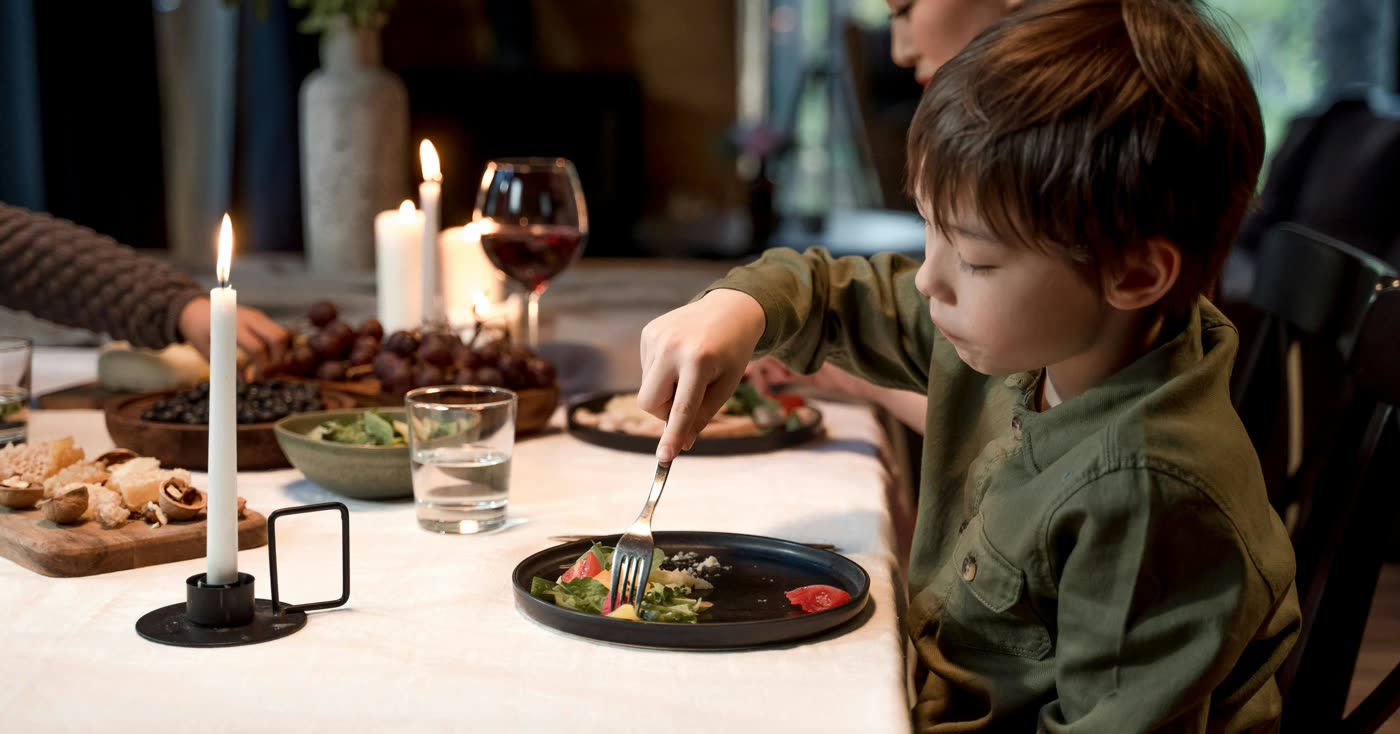
Craving a cigarette after eating is common because smoking may have become the “end” of a meal in your brain. The meal finishes, your hand expects a lighter, and the craving arrives before you even decide anything.
That craving is not proof that food needs a cigarette. It is a learned routine plus nicotine withdrawal, and routines can be retrained.
This content is informational and does not replace medical advice. If you have chest pain, severe shortness of breath, intense panic, or thoughts of self-harm, seek medical help immediately.
Why meals trigger cigarette cravings
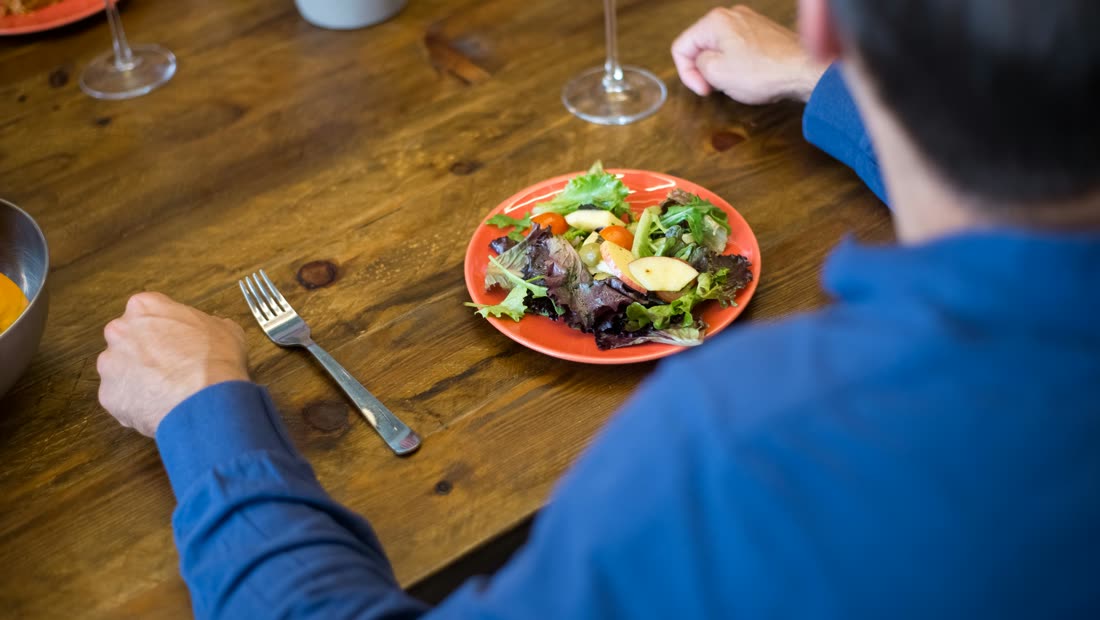
Smokefree.gov describes “pattern triggers” as activities you connect with smoking. Its examples include smoking after a meal. NHS also lists finishing eating as a common routine trigger.
After-meal cravings can be strong because they combine several cues:
- the taste of food
- feeling full
- coffee or tea after eating
- sitting at the same table or balcony
- other people lighting up
- the old reward feeling of “meal done, now smoke”
If you repeated that pattern hundreds or thousands of times, your brain learned it well. The good news is that the same brain can learn a new ending.
What to do in the first 10 minutes after eating
Do not wait at the table and hope the craving behaves. Change the scene quickly.
Try this sequence:
- Stand up when the meal ends.
- Take your plate to the sink.
- Brush your teeth, use mouthwash, or chew mint gum.
- Drink water slowly.
- Do a five-minute task: wipe the counter, take out trash, walk around the block, or make tea somewhere else.
Smokefree.gov suggests replacing a smoking-linked activity with another activity. The replacement does not need to be meaningful. It just needs to interrupt the old loop. If urges also hit at other times, this guide explains how nicotine cravings work and what can help.
If coffee is part of the after-meal trigger
For many people, the actual trigger is not only the meal. It is meal plus coffee plus sitting in the old smoking spot.
For the first couple of weeks, experiment:
- switch coffee to tea, water, or a different drink after meals
- drink coffee in a different room
- hold the mug with both hands so your hands are busy
- avoid the balcony or porch if that is where you smoked
- keep the coffee but remove the cigarette cue, if changing everything feels too much
CDC notes that caffeine can last longer in your body after quitting smoking, and suggests cutting back on coffee, tea, or other caffeinated drinks if you feel restless or jumpy. If evening coffee makes both cravings and sleep worse, move it earlier.
Make after-meal cravings easier before you eat
A plan works better when it starts before the craving.
Before the meal, decide:
- where you will go when you finish eating
- what you will put in your mouth instead of a cigarette
- who you can text if the urge gets loud
- whether cigarettes and lighters are out of reach
If you eat with people who smoke, tell them before the meal: “I am not going out for a cigarette after this. Please do not offer me one.” Short and boring is fine.
What if food tastes different after quitting?
Some people notice food tastes or smells stronger after quitting. CDC notes that food may become more enjoyable because smell and taste can improve after quitting smoking.
That can be nice, but it can also make meals feel oddly intense at first. If dessert, coffee, or fullness triggers a cigarette urge, keep meals simpler for a while and change what happens immediately after eating.
For a broader view of what can change after quitting, see the quit smoking timeline.
Track the meal trigger for a few days
Write down the after-meal craving for three days:
- breakfast, lunch, dinner, or snack?
- how strong was the craving from 1 to 10?
- who was there?
- what helped?
Smoke Free Tracker can help you log this quickly. The point is not to grade yourself. The point is to spot the highest-risk meal and plan for that one first.
Meal cravings often connect with taste changes, coffee, and other routines. If one meal is your hardest moment, start by changing that one after-meal pattern instead of trying to fix every trigger at once.
Sources
- Smokefree.gov, Know Your Smoking Triggers: https://smokefree.gov/challenges-when-quitting/cravings-triggers/know-your-triggers
- Smokefree.gov, Managing Nicotine Withdrawal: https://smokefree.gov/challenges-when-quitting/withdrawal/managing-nicotine-withdrawal
- CDC, 7 Common Withdrawal Symptoms: https://www.cdc.gov/tobacco/campaign/tips/quit-smoking/7-common-withdrawal-symptoms/index.html
- NHS Better Health, Understand your smoking triggers and cravings: https://www.nhs.uk/better-health/quit-smoking/staying-smoke-free/understand-your-smoking-triggers-and-cravings/
Frequently asked questions
-
How long do cigarette cravings last after eating?
- The strongest part often passes if you give it time, though the exact length varies. Cravings are often harder in the first few weeks after quitting and can fade if you wait them out.
-
Should I avoid big meals after quitting?
- You do not need to avoid normal meals unless a healthcare professional has told you to. If heavy meals trigger smoking, try simpler meals for a while and plan what you will do in the first 10 minutes afterward.
-
What if everyone smokes after eating?
- Avoid following them outside in the early days if you can. Stay inside, clean up, call someone, or leave the setting for a few minutes. Ask friends not to offer you a cigarette.
Related quit-smoking guides
Useful next reads if you want a clearer plan for cravings, timelines, money, or health milestones.
- Nicotine cravings What cravings feel like, why they spike, and what to do when the urge hits.
- Quit smoking timeline A simple timeline for the first hours, days, weeks, and longer smoke-free milestones.
- Smoking cost calculator Turn pack price and daily cigarettes into a number you can actually feel.
- Health milestones Cautious, source-backed milestones for what can change after quitting.
- Day 2 after quitting Why the second day can feel messy and how to get through it.
- Is day 3 the hardest? A grounded look at the day-3 spike and what usually comes next.
- First 3 days smoke-free A practical map for the first 72 hours without cigarettes.