How much does smoking cost per year?
Calculate the yearly cost of smoking with a simple formula, including examples for half-pack, pack-a-day, and heavier smoking.

The yearly cost of smoking is usually bigger than people expect. The basic formula is: packs per day × pack price × 365. If you smoke one pack a day, your yearly cost is the price of 365 packs.
That is only the direct cigarette cost. It does not include lighters, cleaning, time, health expenses, or future price increases. Start with the simple number first. It is already useful.
Yearly smoking cost formula
Use either version:
Yearly cost = packs per day × pack price × 365
or, if you count cigarettes:
Yearly cost = daily cigarettes ÷ cigarettes per pack × pack price × 365
Examples:
- Half a pack a day: 0.5 × pack price × 365.
- One pack a day: 1 × pack price × 365.
- One and a half packs a day: 1.5 × pack price × 365.
- Two packs a day: 2 × pack price × 365.
Smokefree.gov lists $8.39 as a U.S. average pack-price reference in its savings calculator. At that price, one pack a day costs about $3,062 per year. In a higher-price area, the number can be much higher. In a lower-price area, it is lower. The formula is what matters.
Why the yearly number can be hard to feel
A year of cigarette spending rarely leaves your account all at once. It leaks out one pack at a time.
That is why many people underestimate it. A pack after work, a carton before a trip, a second pack on a stressful day, a few cigarettes with coffee or alcohol, none of these feels like a yearly bill in the moment. But the yearly total is the bill.
If the yearly number feels too big to believe, break it down:
- yearly cost ÷ 12 = monthly cost
- yearly cost ÷ 52 = weekly cost
- yearly cost ÷ 365 = daily cost
Then compare it with something real in your life: rent, fuel, groceries, debt, school costs, travel, repairs, or emergency savings.
Prices can rise over time
A one-year estimate can use today’s price. For longer periods, prices may change because of taxes, inflation, and retail pricing. Smokefree.gov’s calculator notes long-term estimates may account for cigarette prices rising over time.
That means a 10-year smoking cost is not always just “this year × 10.” If prices rise, the real total may be higher.
The CDC also notes that higher tobacco prices are one of the tools that can reduce demand. In plain language: price matters. It affects behavior, budgets, and public-health policy.
The cost is not only personal
Your personal yearly cost is the amount you pay. But smoking also has wider economic costs.
The CDC estimates that cigarette smoking cost the United States more than $600 billion in 2018, including medical care and lost productivity. The World Health Organization describes tobacco use as causing major health and economic damage to families, communities, and societies worldwide.
You do not need those large public numbers to quit. But they make one thing clear: cigarette cost is not just a small personal habit expense. It is part of a much larger burden.
What quitting changes financially
When you stop buying cigarettes, the yearly cost does not vanish into a magic savings account by itself. It becomes available money.
That money can:
- reduce end-of-month pressure
- pay down a small debt
- cover transport, groceries, or medication
- fund something you have delayed
- build a small emergency buffer
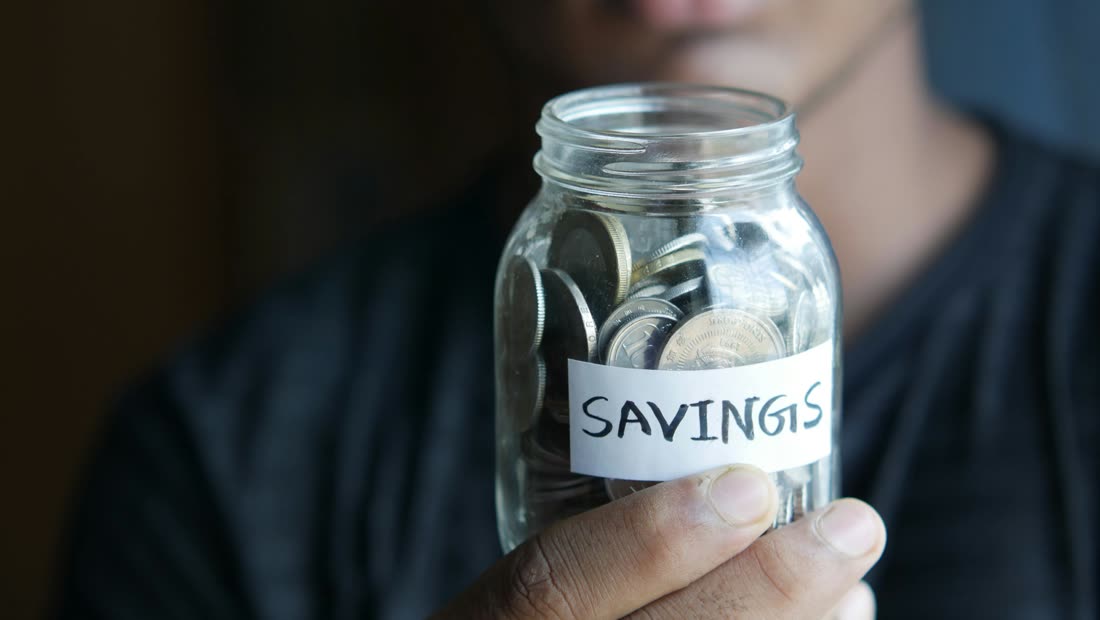
- become a visible reward for staying smoke-free
The trick is to catch it. If you do nothing, the money may disappear into normal spending and feel less satisfying.
A separate note, jar, or app tracker helps. Smoke Free Tracker can keep your smoke-free time and estimated savings in the same place, so the number grows while your quit attempt continues. It is not treatment, but it can make progress easier to see.
For a quick personal estimate, use the smoking cost calculator.
If you smoke roll-your-own or mixed products
The formula still works, but you need to define your “daily cost.”
For roll-your-own tobacco, estimate how long one pouch lasts and divide the pouch cost by the number of days. Add papers, filters, or other regular supplies if you want a closer number.
For mixed use, cigarettes on weekdays, more on weekends, vaping sometimes, use an average week:
- Add what you spend in a normal week.
- Multiply by 52.
- If your weeks vary a lot, calculate a low and high estimate.
A range is better than pretending the cost is zero because the pattern is messy.
If the yearly number feels too abstract, start with one smoke-free month and choose one small place to put the money you no longer spend on cigarettes.
Frequently asked questions
How much does one pack a day cost per year?
Multiply your pack price by 365. At $8.39 per pack, one pack a day is about $3,062 a year. If your pack price is $12, it is $4,380 a year.
Is the yearly smoking cost the same as yearly savings after quitting?
Roughly, yes, if your smoking pattern would have stayed the same. Your first-year savings are the cigarettes you did not buy, minus any money you spent on quit aids, medical support, or substitutes. Those supports can still be worth it if they help you stay smoke-free.
Should I include future medical costs?
For a personal calculator, start with direct spending. Future medical costs are harder to estimate for one person. Public-health sources do show that smoking creates large healthcare and productivity costs at population level.
Sources
- Smokefree.gov, “How Much Will You Save?”: savings calculator and U.S. average pack-price reference. https://smokefree.gov/quit-smoking/why-you-should-quit/how-much-will-you-save
- NHS inform, “Calculate my savings”: calculator approach using pack price, cigarettes per pack, cigarettes per day, and years smoked. https://www.nhsinform.scot/stopping-smoking/calculate-my-savings/
- CDC, “Economic Trends in Tobacco”: estimated U.S. economic cost of cigarette smoking and evidence on price increases reducing demand. https://www.cdc.gov/tobacco/php/data-statistics/economic-trends/index.html
- World Health Organization, “Tobacco control economics”: global economic burden and tobacco-control economics. https://www.who.int/teams/health-promotion/tobacco-control/economics
- American Lung Association, “Benefits of Quitting”: quitting starts health recovery and benefits continue over time. https://www.lung.org/quit-smoking/i-want-to-quit/benefits-of-quitting
Related quit-smoking guides
Useful next reads if you want a clearer plan for cravings, timelines, money, or health milestones.
- Nicotine cravings What cravings feel like, why they spike, and what to do when the urge hits.
- Quit smoking timeline A simple timeline for the first hours, days, weeks, and longer smoke-free milestones.
- Smoking cost calculator Turn pack price and daily cigarettes into a number you can actually feel.
- Health milestones Cautious, source-backed milestones for what can change after quitting.
- Day 2 after quitting Why the second day can feel messy and how to get through it.
- Is day 3 the hardest? A grounded look at the day-3 spike and what usually comes next.
- First 3 days smoke-free A practical map for the first 72 hours without cigarettes.