Taste and smell after quitting smoking: when do they change?
Taste and smell can improve soon after quitting smoking, but the timeline varies. Here is what to expect and when to get symptoms checked.

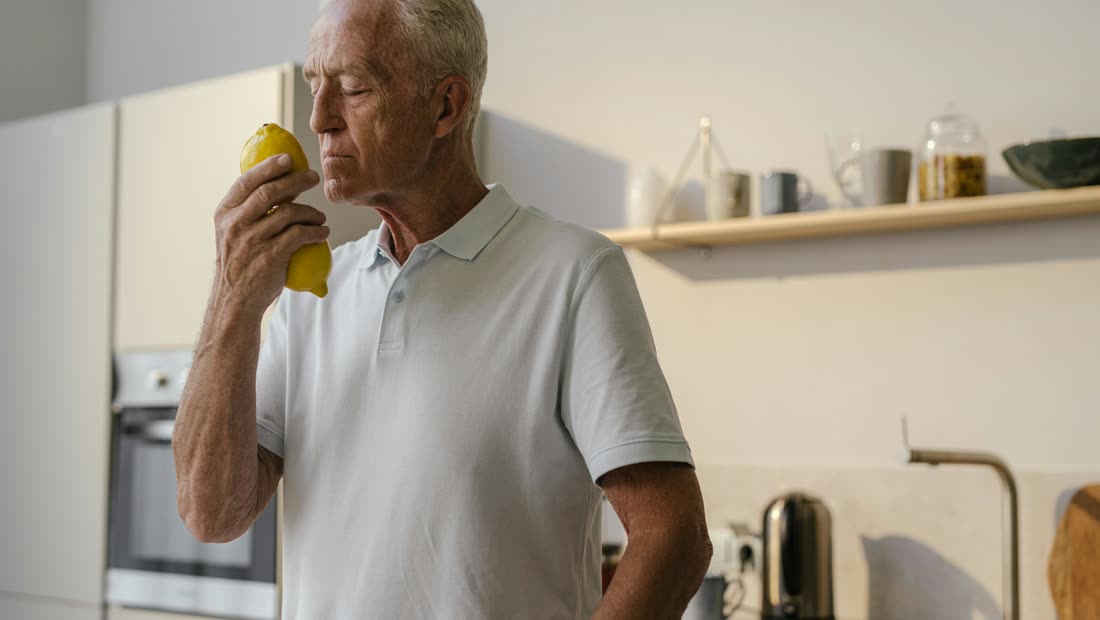
Taste and smell can start to feel sharper soon after quitting smoking. Some people notice food tastes stronger within a couple of days. Others notice it slowly, or only realize it when coffee, perfume, smoke, or their own clothes smell different.
Do not panic if it is not instant. Public-health timelines describe common patterns, not a stopwatch.
This content is informational and does not replace medical advice. If you lose smell suddenly, have severe sinus pain, neurological symptoms, chest pain, or serious shortness of breath, seek medical advice promptly.
Why smoking dulls taste and smell
Smoke irritates the mouth, nose, and airways. It also coats everything: tongue, teeth, clothes, hair, rooms. When smoke is part of every day, your senses adapt to it.
After quitting, several things may change:
- your mouth is no longer being hit with smoke repeatedly
- your sense of smell is not constantly dulled by tobacco smoke
- food may taste stronger as smell improves
- you may notice stale smoke on jackets, curtains, or cars more clearly
CDC notes that food may become more enjoyable after quitting because smell and taste are no longer being dulled by smoke. NHS Better Health and NHS 111 Wales both describe taste and smell improving around the early 48-hour period for many people.
What might you notice first?
Common early changes include:
- coffee tasting bitter or stronger
- fruit tasting sweeter
- cigarette smoke smelling harsher than before
- your home, car, or clothes smelling smoky
- appetite increasing because food is more enjoyable
- toothpaste, spices, and perfume feeling more intense
This can be encouraging, but it can also be annoying. Some people suddenly dislike foods they used to eat with cigarettes. That is not a problem. Your routine is changing too.
If food tastes too strong or weird
Keep it simple for a few days.
- Choose mild meals if strong smells make you queasy.
- Brush your tongue gently, but do not scrub your mouth raw.
- Drink water, especially if your mouth feels dry.
- Try sugar-free gum if cravings and taste changes overlap.
- Avoid replacing cigarettes with constant sweets if that becomes its own problem.
If taste changes trigger cravings after meals, plan the first 10 minutes after eating. Stand up, rinse your mouth, walk, wash the dishes, or open a window. The after-meal cigarette link is a habit, not a rule.
Smoke Free Tracker can help you mark small wins like “food tasted better today.” Those tiny notes matter on days when cravings are loud.
When taste or smell changes need medical attention
Taste and smell changes are not always from quitting. Get medical advice if:
- smell disappears suddenly or completely
- taste or smell changes last a long time without improvement
- you have severe sinus pain, fever, facial swelling, or thick discharge
- you have new weakness, confusion, severe headache, or trouble speaking
- you recently had COVID, flu, head injury, or chemical exposure
- one-sided nasal blockage or bleeding does not settle
Quitting can reveal smells you were used to ignoring, but it should not be used to explain every symptom.
Taste changes often show up around eating routines, so after-meal cravings and the one-month guide are natural next reads.
For broader health changes, see the quit smoking timeline.
Sources
- CDC, “7 Common Withdrawal Symptoms” (https://www.cdc.gov/tobacco/campaign/tips/quit-smoking/7-common-withdrawal-symptoms/index.html): food may become more enjoyable as taste and smell are no longer dulled by smoke.
- NHS Better Health, “What could happen when you quit smoking” (https://www.nhs.uk/better-health/quit-smoking/what-could-happen-when-you-quit-smoking/): taste and smell can improve after 48 hours.
- NHS 111 Wales smoke-free timeline (https://111.wales.nhs.uk/encyclopaedia/s/article/smokefreetimeline/): taste and smell improve after 48 hours.
- Lincolnshire Partnership NHS Foundation Trust smoke-free timeline (https://www.lpft.nhs.uk/young-people/lincolnshire/home/smoking/benefits-quitting-smoking): smell and taste improve after nicotine has been eliminated.
Frequently asked questions
-
When does taste improve after quitting smoking?
- Many public-health timelines mention taste and smell improving around 48 hours after quitting, but people notice changes at different speeds. Some notice it quickly; others need more time.
-
Why does cigarette smoke smell worse now?
- Your nose may be less dulled by constant smoke exposure. Also, once you are not smoking, stale smoke on clothes or in rooms can become much more obvious.
-
Can quitting make me hungrier?
- Yes, it can. Nicotine can affect appetite, and food may become more enjoyable when taste and smell improve. If weight gain worries you, focus on regular meals, water, walking, and support rather than going back to smoking.
Related quit-smoking guides
Useful next reads if you want a clearer plan for cravings, timelines, money, or health milestones.
- Nicotine cravings What cravings feel like, why they spike, and what to do when the urge hits.
- Quit smoking timeline A simple timeline for the first hours, days, weeks, and longer smoke-free milestones.
- Smoking cost calculator Turn pack price and daily cigarettes into a number you can actually feel.
- Health milestones Cautious, source-backed milestones for what can change after quitting.
- Day 2 after quitting Why the second day can feel messy and how to get through it.
- Is day 3 the hardest? A grounded look at the day-3 spike and what usually comes next.
- First 3 days smoke-free A practical map for the first 72 hours without cigarettes.