Alcohol and cigarette cravings after quitting: how to plan ahead
Alcohol can make cigarette cravings sharper after quitting. Learn why it happens and how to reduce the risk before you drink.
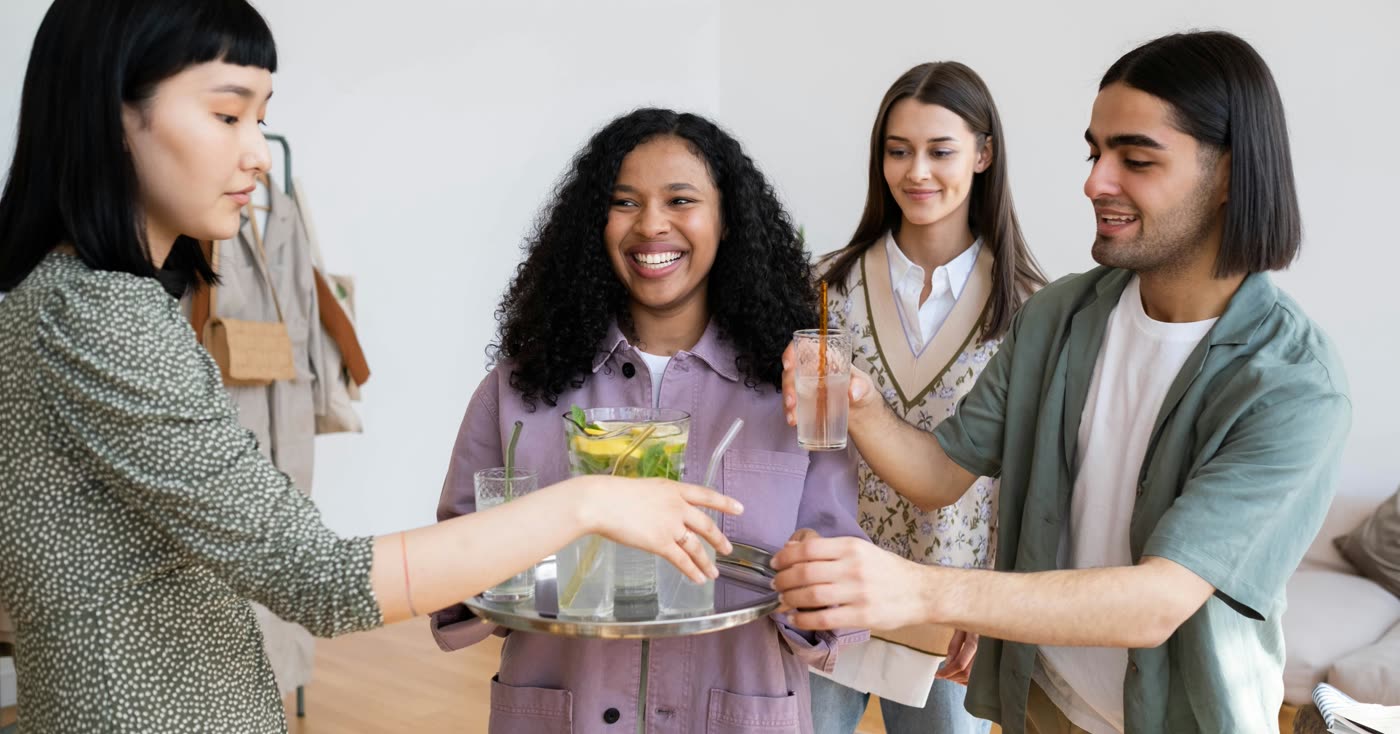
Alcohol can make cigarette cravings feel stronger after you quit. For many people, drinking is tied to smoking, social situations, lowered self-control, and the old “just one” bargain. The safest plan in the early weeks is simple: avoid alcohol if you can, or make the drinking plan before the first drink.
You do not have to decide your whole social life today. Start with the next night out, dinner, wedding, match, or pub visit.
This content is informational and does not replace medical advice. If you are worried about your alcohol use, withdrawal symptoms, or your mental health, speak with a healthcare professional.

Why alcohol can trigger cigarette cravings
Smokefree.gov says drinking alcohol can make quitting smoking more difficult. Alcohol is a common smoking trigger, and it can make people more likely to act without thinking, which may increase the chance of smoking after quitting.
The NHS also lists alcohol as a situation trigger and notes that alcohol can weaken self-control and make cravings harder to resist. It recommends avoiding or reducing alcohol, especially during the first 28 days of quitting.
There are usually three things happening at once:
- Association: your brain remembers “drink in hand, cigarette next.”
- Environment: alcohol often happens around other smokers.
- Lowered guard: after a few drinks, the sentence “I don’t smoke anymore” can get quieter.
That is why a craving after alcohol can feel sudden. It is not random. It is a rehearsed pattern.
The best early plan: skip alcohol for a while
If you are in the first few weeks of quitting, taking a break from alcohol is often the cleanest option. Smokefree.gov suggests trying to stay away from alcohol in the first few weeks of quitting. NHS Better Health gives similar practical advice about choosing non-alcoholic drinks, especially during the first 28 days.
This does not have to be dramatic. You can say:
- “I’m not drinking tonight; I’m trying not to smoke.”
- “I’m taking a few weeks off alcohol while I quit.”
- “I’ll come, but I’m driving.”
- “I’m doing alcohol-free tonight.”
Some people will not care. Some will tease you. You still get to protect your quit.
If you choose to drink, decide the rules while sober
Do not wait until drink three to create a plan. Make the rules before you go.
Use this checklist:
- Decide your drink limit before you arrive.
- Choose who you are going with.
- Avoid the smoking area.
- Keep gum, mints, or a straw in your pocket.
- Hold a non-alcoholic drink between alcoholic drinks.
- Tell one person: “Do not let me smoke tonight.”
- Plan how you will leave if cravings get loud.
Smokefree.gov advises avoiding binge drinking and drinking moderately if you drink. If moderation is difficult for you, that is a sign to get more support, not a reason to shame yourself.
Make the cigarette offer boring
You need a sentence ready for the exact moment someone says, “Want one?”
Try:
- “No, I don’t smoke anymore.”
- “No thanks. I’m keeping the streak.”
- “Don’t give me one, even if I ask later.”
- “I’m staying away from the smoking area tonight.”
Do not negotiate with the craving in front of an open pack. Move your body first. Go inside, go to the bathroom, get water, or leave the group for five minutes.
For more tools in the craving moment, use the nicotine cravings guide.
Watch for the “only when I drink” trap
“Only when I drink” can sound controlled. Sometimes it is. But for many people, it keeps the smoking pathway alive.
Smokefree.gov is clear that social smoking is not safe. Occasional smoking still harms health, exposes other people to secondhand smoke, and can make it easier to slide back into regular smoking.
A more honest question is:
“Will this drink make tomorrow’s quit harder?”
If the answer is yes, change the plan now. Drink something else. Leave earlier. Sit away from smokers. Text someone. You do not need to prove anything to the night.
What to do if alcohol already triggered a cigarette
Stop the slide quickly.
- Do not buy or keep a pack.
- Get away from the smoking spot.
- Drink water and eat something if you have not eaten.
- Tell one person, “I smoked. I’m stopping now.”
- Write down the trigger when you are sober.
- Decide whether your next event should be alcohol-free.
The useful question is not “Why am I like this?” It is “What made smoking easy tonight, and how do I make it harder next time?”
Smoke Free Tracker can help here because memory gets fuzzy after a night out. A quick note about alcohol, place, people, and time can show you which situations need a different plan.
A simple night-out plan
Before you go:
- Eat something.
- Bring gum or mints.
- Choose your limit.
- Tell one supportive person.
- Decide your exit time.
While you are there:
- Keep a drink in your hand that is not always alcoholic.
- Avoid standing with smokers.
- Leave the table before the “one cigarette” debate starts.
- Take 10 minutes outside without the smokers if you need air.
After you get home:
- Mark the night as smoke-free if it was.
- If it was not, write the trigger without drama.
- Adjust the next plan.
If alcohol is mainly a social trigger for you, also read quitting when your friends smoke and what to do after one cigarette.
Frequently asked questions
Should I stop drinking completely when I quit smoking?
Not everyone needs to stop completely, but avoiding alcohol in the first few weeks can make quitting easier for many people. If alcohol has repeatedly led to smoking, an alcohol-free period is a practical protection, not a punishment.
Why do I crave cigarettes only after alcohol?
Your brain may have linked drinking with smoking through repetition. Alcohol can also reduce self-control, and drinking often happens around people who smoke. That combination can make the craving feel much stronger than it does on a normal day.
Can quit-smoking medicine help with alcohol-triggered cravings?
Quit-smoking medicines may help some adults reduce withdrawal and cravings, but they do not remove every social trigger. The CDC describes several FDA-approved quit-smoking medicines for adults who smoke cigarettes. If you are pregnant, breastfeeding, under 18, or have a medical condition, ask a healthcare professional before using them.
Sources
- Smokefree.gov, Alcohol & Smoking: https://smokefree.gov/challenges-when-quitting/cravings-triggers/alcohol-smoking
- Smokefree.gov, Know Your Smoking Triggers: https://smokefree.gov/challenges-when-quitting/cravings-triggers/know-your-triggers
- Smokefree.gov, Social Smoking: https://smokefree.gov/challenges-when-quitting/cravings-triggers/social-smoking
- NHS Better Health, Understand your smoking triggers and cravings: https://www.nhs.uk/better-health/quit-smoking/staying-smoke-free/understand-your-smoking-triggers-and-cravings/
- Northumbria Healthcare NHS Foundation Trust, Triggers and how to manage them: https://www.northumbria.nhs.uk/our-services/stop-smoking/new-you/triggers-and-how-manage-them
- CDC, Quit Smoking Medicines: https://www.cdc.gov/tobacco/campaign/tips/quit-smoking/quit-smoking-medications/how-to-use-quit-smoking-medicines/index.html
Related quit-smoking guides
Useful next reads if you want a clearer plan for cravings, timelines, money, or health milestones.
- Nicotine cravings What cravings feel like, why they spike, and what to do when the urge hits.
- Quit smoking timeline A simple timeline for the first hours, days, weeks, and longer smoke-free milestones.
- Smoking cost calculator Turn pack price and daily cigarettes into a number you can actually feel.
- Health milestones Cautious, source-backed milestones for what can change after quitting.
- Day 2 after quitting Why the second day can feel messy and how to get through it.
- Is day 3 the hardest? A grounded look at the day-3 spike and what usually comes next.
- First 3 days smoke-free A practical map for the first 72 hours without cigarettes.