Headaches after quitting smoking: common causes and when to get help
Headaches can happen after quitting smoking. Learn possible causes, simple ways to cope, and warning signs that need medical help.
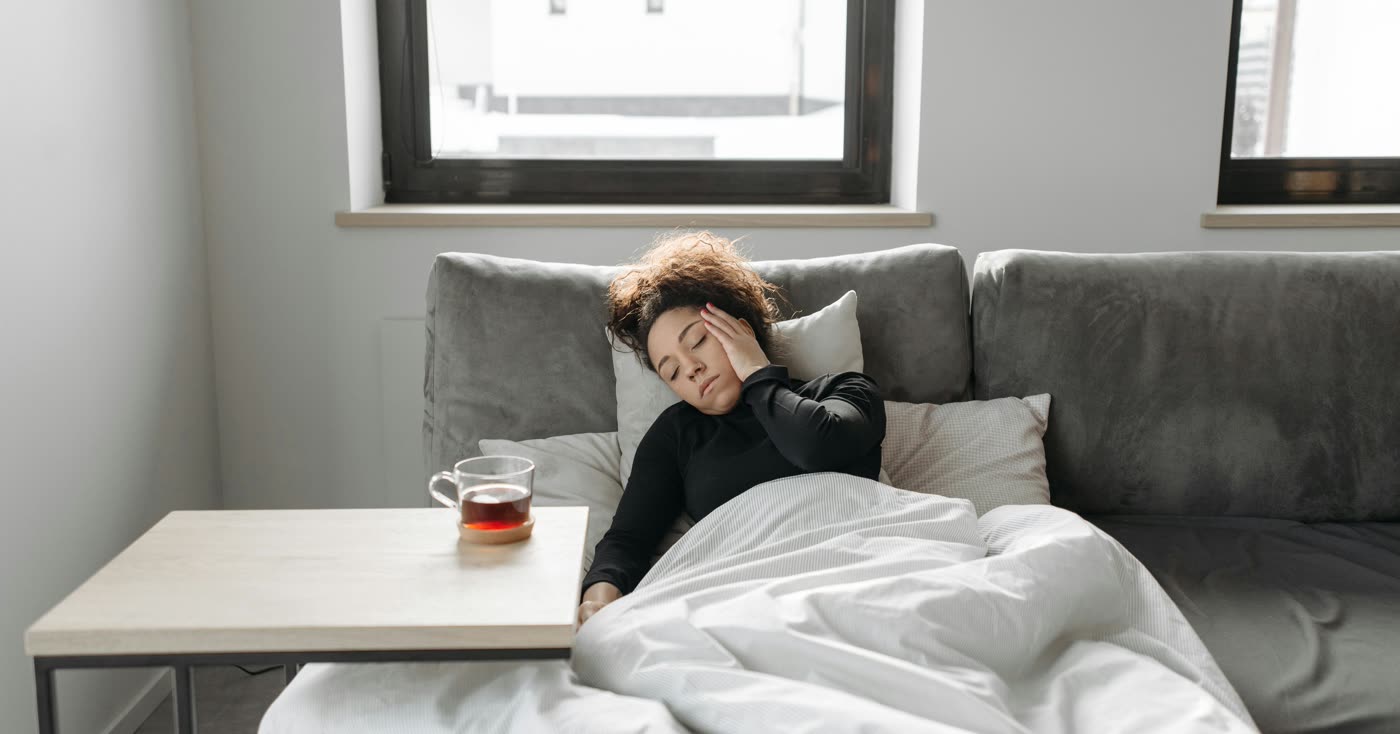
Headaches can happen after quitting smoking. They are often linked to nicotine withdrawal, stress, sleep changes, caffeine changes, dehydration, or clenching your jaw during cravings. Annoying, yes. A reason to go back to smoking, no.
Most quit-related headaches are temporary. Still, a severe or unusual headache deserves medical attention, especially if it comes with other warning signs.
This content is informational and does not replace medical advice. Seek urgent medical help for a sudden severe headache, weakness on one side, confusion, fainting, chest pain, severe shortness of breath, or a headache after a head injury.

Why a headache can show up after you quit
Nicotine affects the brain and blood vessels. When you stop smoking, your body has to adjust to not getting nicotine on schedule. CDC and Smokefree.gov describe withdrawal as common and different for each person, with symptoms such as restlessness, trouble sleeping, concentration problems, anxiety, and cravings.
A headache may not have one single cause. It can come from a stack of small changes:
- poorer sleep in the first few nights
- drinking more or less caffeine than usual
- skipping meals because your routine changed
- holding tension in your jaw, neck, or shoulders
- stress from fighting cravings all day
- not drinking enough water
If you use nicotine replacement therapy or another quit-smoking medicine, follow the instructions. Too little nicotine may leave withdrawal symptoms uncontrolled; too much can also feel unpleasant. Ask a pharmacist or healthcare professional if you are unsure.
What can help a mild headache
Start with the low-risk fixes.
- Drink water. Not because water is magic, but because dehydration makes many headaches worse.
- Eat something steady. A proper snack or meal can help if you have been running on coffee and willpower.
- Check caffeine. Do not suddenly double your coffee to survive withdrawal. CDC notes caffeine may last longer in the body after quitting.
- Loosen your jaw. Put your tongue on the roof of your mouth, unclench your teeth, drop your shoulders.
- Step away from screens for 10 minutes. A short walk or quiet room can reduce tension.
- Use pain relief safely if you normally can. Follow the label and avoid medicines that are not safe for you because of ulcers, blood thinners, pregnancy, kidney disease, liver disease, or other conditions.
You can also log the headache in Smoke Free Tracker with the time, caffeine, sleep, and craving level. If the same pattern repeats, you have something useful to adjust.
When is it not “just withdrawal”?
Get medical advice if headaches are frequent, worsening, or not improving. Get urgent help now if the headache is:
- sudden and extremely severe
- different from headaches you usually get
- linked with weakness, numbness, facial droop, trouble speaking, confusion, seizure, or fainting
- paired with fever, stiff neck, rash, or repeated vomiting
- after a head injury
- with chest pain or severe shortness of breath
- during pregnancy or soon after giving birth
Quitting smoking is a good health move, but quitting does not make every new symptom harmless.
Will smoking make the headache go away?
It might briefly reduce withdrawal discomfort, which can feel like relief. But it restarts the nicotine cycle. The next withdrawal dip can bring the same problem back.
If cravings are riding along with the headache, use a short craving plan: water, food if needed, fresh air, and a 10-minute delay. For more craving tactics, see nicotine cravings.
Headaches often sit inside the wider withdrawal picture; see sleep problems if your nights have been rough too.
Frequently asked questions
Are headaches a common nicotine withdrawal symptom?
Many people report headaches during early withdrawal, though public-health sources often group them under the wider withdrawal experience rather than giving one exact timeline. Sleep disruption, stress, caffeine shifts, and tension can all contribute.
How long do quit-smoking headaches last?
It varies. Some headaches pass in the first days; others come and go while sleep and routines settle. If they are severe, unusual, or persistent, get medical advice.
Can caffeine changes cause headaches after quitting?
Yes, caffeine can be part of it. Some people drink more coffee to cope. Others cut down suddenly and get caffeine-withdrawal headaches. Also, CDC notes caffeine can last longer in your body after quitting smoking, so your old amount may feel stronger.
Sources
- CDC, “7 Common Withdrawal Symptoms” (https://www.cdc.gov/tobacco/campaign/tips/quit-smoking/7-common-withdrawal-symptoms/index.html): withdrawal symptoms, caffeine lasting longer after quitting, and advice to seek support when symptoms are difficult.
- Smokefree.gov, “Managing Nicotine Withdrawal” (https://smokefree.gov/challenges-when-quitting/withdrawal/managing-nicotine-withdrawal): common withdrawal patterns and quit-smoking medicine support.
- NHS Better Health, “What could happen when you quit smoking” (https://www.nhs.uk/better-health/quit-smoking/what-could-happen-when-you-quit-smoking/): body and mind changes after quitting and temporary withdrawal symptoms.
Related quit-smoking guides
Useful next reads if you want a clearer plan for cravings, timelines, money, or health milestones.
- Nicotine cravings What cravings feel like, why they spike, and what to do when the urge hits.
- Quit smoking timeline A simple timeline for the first hours, days, weeks, and longer smoke-free milestones.
- Smoking cost calculator Turn pack price and daily cigarettes into a number you can actually feel.
- Health milestones Cautious, source-backed milestones for what can change after quitting.
- Day 2 after quitting Why the second day can feel messy and how to get through it.
- Is day 3 the hardest? A grounded look at the day-3 spike and what usually comes next.
- First 3 days smoke-free A practical map for the first 72 hours without cigarettes.