Sleep problems after quitting smoking: what can help
Why sleep can get messy after quitting smoking, what usually helps, and when poor sleep needs medical advice.

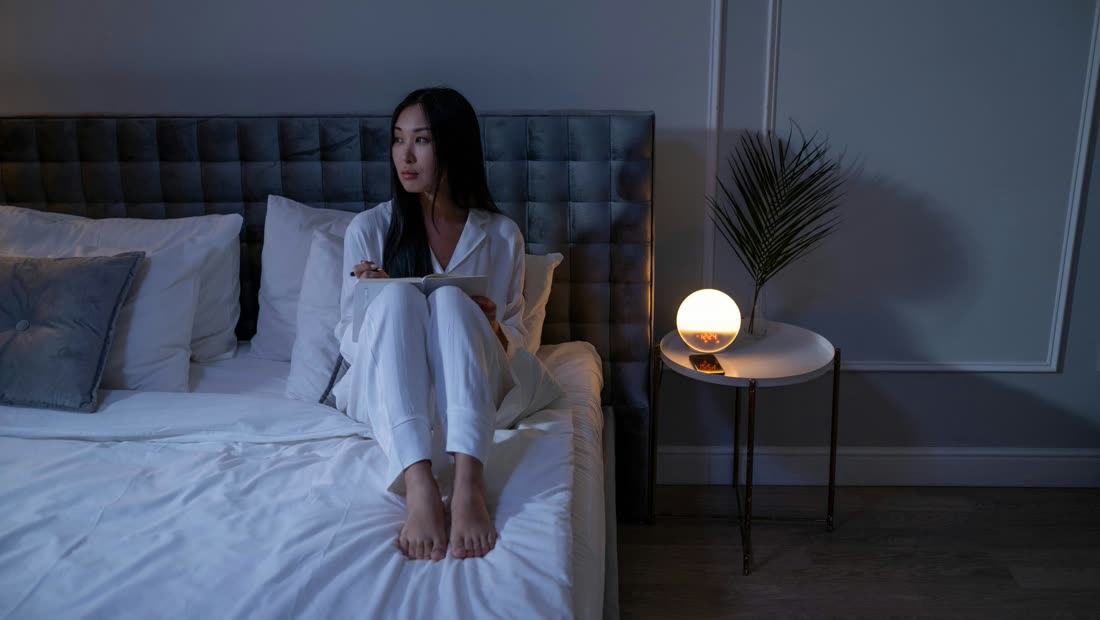
Sleep can get worse for a while after quitting smoking. Some people struggle to fall asleep, wake up more often, have vivid dreams, or feel tired even after a full night in bed. It is usually part of nicotine withdrawal, not a sign that quitting was a mistake.
The goal is not perfect sleep tonight. The goal is to make the next few nights less chaotic while your body adjusts.
This content is informational and does not replace medical advice. If you have chest pain, severe shortness of breath, intense panic, or thoughts of self-harm, seek medical help immediately.
Why quitting smoking can disturb sleep
Nicotine is a stimulant, but your body also gets used to having it. When you stop, your brain has to adjust to life without regular nicotine hits. Public-health sources such as CDC and Smokefree.gov list trouble sleeping as a common withdrawal symptom.
A few things can pile up at once:
- withdrawal makes you feel restless or jumpy
- cravings may show up at the exact times you used to smoke
- caffeine can hit harder because smoking affects how your body processes it
- stress about quitting can keep your mind switched on
- if you use nicotine patches, some people notice vivid dreams or sleep disruption
That does not mean you should automatically stop using quit-smoking medicine. If a medicine seems to be affecting your sleep, ask a healthcare professional or pharmacist how to adjust it safely.
What usually helps tonight
Try the boring basics first. They work better than dramatic plans you cannot keep.
- Cut caffeine earlier than usual. CDC notes that caffeine can last longer in your body after quitting. If you drink coffee, tea, cola, or energy drinks, stop earlier in the day for a while.
- Move a little, but not right before bed. A short walk can burn off restlessness. Hard exercise late at night may wake some people up.
- Make the bedroom cigarette-free in your head. Do not scroll through quit-smoking forums in bed until 1 a.m. Bed is not the craving command center.
- Use a 10-minute rule for night cravings. Drink water, sit somewhere else, breathe slowly, and give the craving time to pass.
- Write one line. If your brain is bargaining with you, write: “I do not need to decide forever tonight. I only need to not smoke now.”
If tracking helps you stay calm, Smoke Free Tracker can be useful for noting which evenings are rough and what happened before bed. Patterns are easier to fix when they are not just a foggy memory.
How long does it last?
There is no exact schedule. Smokefree.gov says withdrawal symptoms are often strongest in the first days or weeks and usually get weaker over time. Sleep may settle quickly for some people and take longer for others.
If you are in the first week, expect some mess. If you want a broader view of what else may happen early on, see the quit smoking timeline.
When to get help
Do not tough it out if poor sleep is becoming unsafe or extreme. Talk to a healthcare professional if:
- you are barely sleeping for several nights in a row
- you feel confused, unusually agitated, or unable to function
- anxiety or low mood is getting worse
- you have a history of bipolar disorder, severe depression, panic disorder, or other mental-health conditions
- you think a medication or nicotine replacement product is disrupting sleep
Also get urgent help for chest pain, severe shortness of breath, fainting, or thoughts of self-harm.
Night cravings can make sleep worse, so pair this with why cravings feel worse at night and the first-week guide.
Sources
- CDC, “7 Common Withdrawal Symptoms” (https://www.cdc.gov/tobacco/campaign/tips/quit-smoking/7-common-withdrawal-symptoms/index.html): trouble sleeping, restlessness, caffeine note, and withdrawal as a common temporary experience.
- Smokefree.gov, “Managing Nicotine Withdrawal” (https://smokefree.gov/challenges-when-quitting/withdrawal/managing-nicotine-withdrawal): withdrawal symptoms, first-week risk, and sleep as a common quitting challenge.
- Asthma + Lung UK, “Withdrawal symptoms” (https://www.asthmaandlung.org.uk/living-with/lung-conditions/smoking/withdrawal-symptoms): difficulty sleeping and concentrating after stopping smoking.
Frequently asked questions
-
Is insomnia normal after quitting smoking?
- It can be. Trouble sleeping is a common nicotine withdrawal symptom. It is uncomfortable, but for many people it improves as withdrawal eases.
-
Should I smoke one cigarette to sleep?
- No. It may feel like it helps in the moment because nicotine withdrawal eases for a short time, but it keeps the loop alive. Try a non-smoking reset first: water, low light, a short walk around the room, and a 10-minute delay.
-
Can nicotine patches affect dreams?
- Some people report vivid dreams or sleep changes with nicotine patches. Do not change the dose on your own if you are unsure. Ask a pharmacist, doctor, or quit-smoking advisor.
Related quit-smoking guides
Useful next reads if you want a clearer plan for cravings, timelines, money, or health milestones.
- Nicotine cravings What cravings feel like, why they spike, and what to do when the urge hits.
- Quit smoking timeline A simple timeline for the first hours, days, weeks, and longer smoke-free milestones.
- Smoking cost calculator Turn pack price and daily cigarettes into a number you can actually feel.
- Health milestones Cautious, source-backed milestones for what can change after quitting.
- Day 2 after quitting Why the second day can feel messy and how to get through it.
- Is day 3 the hardest? A grounded look at the day-3 spike and what usually comes next.
- First 3 days smoke-free A practical map for the first 72 hours without cigarettes.