Why tracking nicotine cravings can help
Tracking nicotine cravings helps you spot triggers, plan better responses, and see that urges pass without smoking.

Tracking nicotine cravings can help because it turns a messy urge into a pattern you can work with. Instead of “I always want to smoke,” you may notice: after coffee, when stressed, after dinner, when bored, or around one specific friend.
That information is useful. Smokefree.gov says understanding cravings and the triggers behind them helps you make a plan to get past them. The point is not to judge yourself. The point is to know what to do before the next craving hits.
This content is informational and does not replace medical advice. If quitting brings severe anxiety, intense low mood, chest pain, severe shortness of breath, or thoughts of self-harm, seek medical help immediately.
What should you track during a craving?
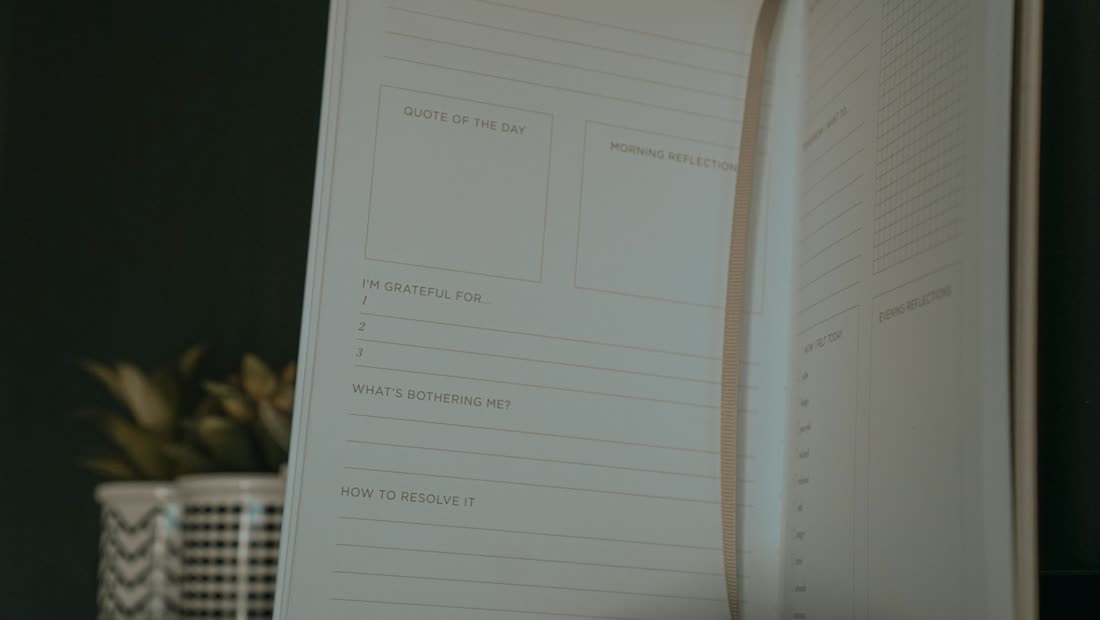
Keep it short. If the note takes two minutes, you probably will not do it when you are irritated.
Track these six things:
- Time: when did it happen?
- Place: where were you?
- Trigger: what set it off?
- Mood: stressed, bored, angry, lonely, tired, happy?
- Intensity: 1 to 5 is enough.
- Response: what did you do instead of smoking?
One example:
21:30, balcony, after dinner, bored, 4/5, drank water and walked for 8 minutes.
That is enough. You are building a map, not writing a diary entry.
Why triggers are easier to beat when you write them down
Cravings can feel random in the moment. Later, memory gets fuzzy. You remember that the urge was strong, but not what started it.
Writing down the trigger helps you see links such as:
- coffee → cigarette thought
- alcohol → “just one” bargaining
- after meals → automatic hand-to-mouth habit
- work stress → escape fantasy
- driving → old routine
- boredom at night → scrolling plus craving
- being around smokers → social pressure
Smokefree.gov groups triggers into emotional, pattern, social, and withdrawal triggers. That is a useful way to sort your notes. A craving after an argument needs a different response than a craving after coffee.
For a broader craving guide, see the nicotine cravings page.
Tracking helps you make a quit plan that is not vague
A weak plan sounds like this: “I will be stronger tomorrow.”
A useful plan sounds like this:
- If I drink coffee, I will drink it inside, not on the balcony.
- If I finish dinner, I will brush my teeth right away.
- If I feel stressed at work, I will walk outside without going to the smoking spot.
- If a friend offers a cigarette, I will say, “No, I quit. Please don’t offer me one.”
- If the craving is a 5/5, I will set a 10-minute timer and text someone.
Smokefree.gov recommends planning ahead for triggers and making a list of activities to use when cravings happen. Mayo Clinic gives similar advice: know what triggers the urge, write triggers down, and plan how to handle each one.
Cravings often pass faster than they feel
A craving can feel urgent, but it is not a command. Mayo Clinic notes that nicotine cravings may be strong but often ease within minutes, and suggests setting a 10-minute timer while doing something distracting or enjoyable.
CDC guidance also describes “riding the wave” of an urge: for many people, the urge starts to dissolve after a few minutes, even though more urges may come later.
Tracking helps here because you can look back and see proof:
- “The craving was 5/5 at 14:10. It was 2/5 by 14:20.”
- “Walking helped twice this week.”
- “Alcohol made every craving worse.”
- “After-meal cravings are strong, but they do pass.”
That evidence is more convincing than a motivational quote when your brain is bargaining.
What to do with your craving log after a few days
After three to seven days, look for repeats. Do not overanalyze every line.
Ask:
- What time of day shows up most?
- Which place shows up most?
- Which trigger keeps repeating?
- Which response actually helped?
- Which situations need a stronger plan?
Then change one thing at a time.
If after-dinner cravings are the pattern, change the first 15 minutes after dinner. If stress is the pattern, prepare one non-smoking stress response before the next workday. If social smoking is the pattern, avoid smoking areas for a while and ask friends not to smoke around you.
A simple craving plan you can copy
Use this when the urge hits:
- Name it: “This is a craving.”
- Log one line: time, place, trigger, intensity.
- Delay: set a 10-minute timer.
- Move: change rooms, step outside away from smokers, or walk.
- Replace: water, gum, mints, toothpick, breathing, shower, dishes, or texting someone.
- Review: after it drops, write what helped.
You do not need the perfect response. You need enough friction between the craving and the cigarette.
Where an app can help
Smoke Free Tracker can help you note cravings, triggers, smoke-free time, and patterns without keeping everything in your head. Use it as a record, not as a judge. A paper notebook or notes app can also work if you keep it simple.
The important part is consistency: one short note during or right after the craving.
When tracking is not enough
Tracking is useful, but it is not treatment. If cravings feel unmanageable, if you keep returning to smoking, or if withdrawal symptoms are severe, consider extra support.
Options can include:
- a quitline or local stop-smoking service
- counseling or coaching
- nicotine replacement therapy, or NRT
- prescription quit-smoking medication
- support from a healthcare professional
Smokefree.gov notes that teens, pregnant people, and people with severe medical conditions should talk to a doctor before using NRT. If you are unsure what is safe for you, ask a healthcare professional.
If you want to turn tracking into action, keep the next step small: write one line during the craving, then review the pattern after a few days.
Frequently asked questions
Do I have to track every craving?
No. Track enough to see patterns. If you miss one, just log the next one. Perfection is not the goal.
What if tracking makes me think about smoking more?
Keep the note very short and action-focused. Do not sit and study the craving. Write one line, start your 10-minute plan, and move your body or change location.
How long should I track cravings?
Try one week. That is usually enough to spot repeated triggers. After that, you can track only strong cravings, new triggers, or moments when you nearly smoked.
Sources
- Smokefree.gov, Smoking Cravings & Triggers: https://smokefree.gov/challenges-when-quitting/cravings-triggers
- Smokefree.gov, Know Your Smoking Triggers: https://smokefree.gov/challenges-when-quitting/cravings-triggers/know-your-triggers
- Smokefree.gov, Prepare to Quit: https://smokefree.gov/quit-smoking/getting-started/prepare-to-quit
- CDC, Tips For Quitting: https://www.cdc.gov/tobacco/campaign/tips/quit-smoking/tips-for-quitting/index.html
- Mayo Clinic, Quitting smoking: 10 ways to resist tobacco cravings: https://www.mayoclinic.org/diseases-conditions/nicotine-dependence/in-depth/nicotine-craving/art-20045454
Related quit-smoking guides
Useful next reads if you want a clearer plan for cravings, timelines, money, or health milestones.
- Nicotine cravings What cravings feel like, why they spike, and what to do when the urge hits.
- Quit smoking timeline A simple timeline for the first hours, days, weeks, and longer smoke-free milestones.
- Smoking cost calculator Turn pack price and daily cigarettes into a number you can actually feel.
- Health milestones Cautious, source-backed milestones for what can change after quitting.
- Day 2 after quitting Why the second day can feel messy and how to get through it.
- Is day 3 the hardest? A grounded look at the day-3 spike and what usually comes next.
- First 3 days smoke-free A practical map for the first 72 hours without cigarettes.