What to look for in a free quit smoking tracker
A practical checklist for choosing a free quit smoking tracker: timer, savings, cravings, privacy, and honest limits.
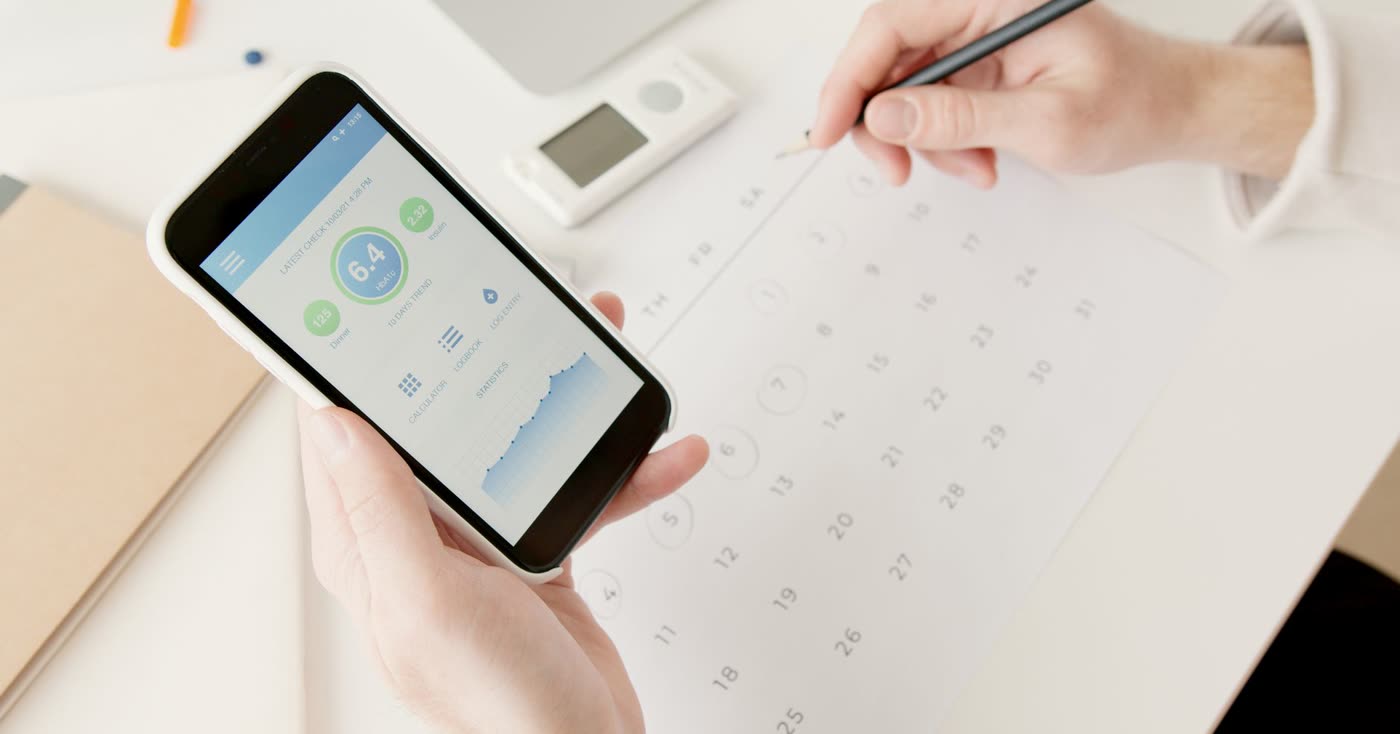
A good free quit smoking tracker should do a few simple things well: show your smoke-free time, calculate money saved, help you record cravings, and make your progress easy to understand. It should not need a long setup, guilt you after a hard day, or pretend an app is medical treatment.
The best tracker is the one you will actually open when your brain is bargaining for a cigarette.
This content is informational and does not replace medical advice. A tracker can support a quit attempt, but it is not a substitute for a doctor, quitline, counseling, or medication when those are needed.

The short checklist
When comparing free quit smoking tracker apps, look for:
- A smoke-free timer that starts from your real quit date
- Cigarettes avoided, based on your previous habit
- Money saved, with your own pack price
- Craving or journal notes, so triggers do not stay vague
- Health milestones written in careful language
- SOS tools for the moment an urge hits
- No account required for the core features
- Clear privacy language, not a mystery box
- A free tier that is useful without paying
- No miracle claims
If an app has ten flashy screens but makes it hard to log a craving in 15 seconds, it may not help much in the moment you need it.
1. A timer you can trust
The timer sounds basic, but it matters. When you are three hours, three days, or three weeks smoke-free, seeing the exact time can make “just one” feel less casual.
Look for a tracker that lets you set:
- your quit date and time
- how many cigarettes you used to smoke
- your pack price
- your currency
That lets the app calculate progress from your real life instead of a generic guess.
Smoke Free Tracker shows smoke-free time, cigarettes avoided, and money saved from the details you enter. That does not make quitting automatic. It just makes the cost of smoking again harder to ignore.
For a broader view of what can change after quitting, see the quit smoking timeline.
2. Money saved that is not hidden
Money is not the only reason to quit, but it is one of the easiest to see.
A useful tracker should show savings clearly, not bury them behind five taps. Ideally, it should let you use your own pack price because cigarette costs vary a lot by country, city, and brand.
Good signs:
- You can enter your real pack price.
- The savings update automatically.
- The app shows both small wins and long-term totals.
- It does not shame you; it just shows the number.
If money is your strongest motivator, use the smoking cost calculator to check what a month or year of cigarettes costs.
3. A craving log that takes seconds
Cravings often feel random while they are happening. Later, memory gets fuzzy: you remember that it was bad, but not what started it.
Public-health guidance from Smokefree.gov recommends knowing your triggers and planning for them. That is where a tracker can be useful. It gives you a place to write the one line you will forget later.
A good craving log should let you capture:
- time
- place
- trigger
- mood
- intensity
- what you did instead
Example:
22:10, kitchen, after dinner, bored, 4/5, brushed teeth and walked outside without cigarettes.
That is enough. You are looking for patterns, not writing a perfect diary.
4. SOS tools for the ugly five minutes
Many cravings are short, but they can feel loud. Mayo Clinic suggests delaying, distracting yourself, and using a short timer when a tobacco craving hits. The exact timing varies, but the principle is useful: put a few minutes between the urge and the cigarette.
A good tracker may include quick tools such as:
- a breathing exercise
- a short timer
- a small distraction game
- a reminder of your reasons
- a quick note field
The goal is not to “win” against every craving with willpower. The goal is to give your hands and attention somewhere else to go.
If cravings are your main problem right now, start with the nicotine cravings guide.
5. Health milestones with careful wording
Health milestone screens can be motivating, but they should be written carefully. Bodies do not all recover on the same schedule. Age, smoking history, current health, medication, and other conditions all matter.
Prefer apps that say things like:
- “Many people may notice…”
- “Public-health sources estimate…”
- “Risk begins to change over time…”
- “Timelines vary.”
Be cautious with apps that promise exact personal results. A milestone is a useful reminder, not a medical test.
6. Privacy that is easy to understand
A quit smoking app can contain sensitive personal notes: cravings, relapse moments, stress, money, routines, maybe health-related information. You should not have to create an account just to use a basic tracker.
Look for plain answers to these questions:
- Does the app require an account?
- Is quit progress stored on the device or on a server?
- Does the app use ads, analytics, or purchases?
- What data may third-party services process?
- Can you use the core features without giving a name or email?
Smoke Free Tracker does not require an account for its core tracker. Its privacy policy says personal quit-smoking progress is stored locally on your device, while third-party services may be used for ads, purchases, and product analytics. That is the kind of distinction a privacy page should make clearly.
7. A free tier that is actually useful
“Free” can mean very different things.
A useful free quit smoking tracker should let you do the basics without paying:
- start the timer
- see money saved
- view progress
- use craving tools
- write simple notes
Paid upgrades are fine if they are optional. Themes, exports, supporter status, or ad-free use can be paid extras. But the free version should still help someone get through a craving tonight.
8. Honest limits
A tracker is a tool. It is not a treatment plan by itself.
Extra support may be worth considering if:
- cravings feel unmanageable
- you keep returning to smoking and feel stuck
- withdrawal symptoms feel severe
- you are pregnant, under 18, or have a chronic condition
- you want to use nicotine replacement therapy or prescription medicine
Smokefree.gov and other public-health sources point people toward quit plans, counseling, quitlines, nicotine replacement therapy, and medical support when appropriate. An app can sit beside those options; it should not pretend to replace them.
A simple test before you keep the app
Use the app for one full day and ask:
- Did setup take less than a few minutes?
- Did I understand what the numbers meant?
- Could I log a craving quickly?
- Did the app make me feel informed, not judged?
- Was privacy explained clearly?
- Would I open it during a real craving?
If the answer to the last question is no, uninstall it. A quit smoking tracker has to work in real life, not just look nice in screenshots.
If app choice is your focus, read more about tracking cravings.
Sources
- Smokefree.gov, Smoking Cravings & Triggers: https://smokefree.gov/challenges-when-quitting/cravings-triggers
- Smokefree.gov, Prepare to Quit: https://smokefree.gov/quit-smoking/getting-started/prepare-to-quit
- Mayo Clinic, Quitting smoking: 10 ways to resist tobacco cravings: https://www.mayoclinic.org/diseases-conditions/nicotine-dependence/in-depth/nicotine-craving/art-20045454
- Federal Trade Commission, Mobile Health App Interactive Tool: https://www.ftc.gov/business-guidance/resources/mobile-health-apps-interactive-tool
- Stop Smoking: Quit Tracker, Privacy Policy: https://smokefreetracker.com/privacy/
Frequently asked questions
-
Is a free quit smoking tracker enough to quit?
- For some people, a tracker is enough support for the tracking part. For others, it needs to be combined with a quitline, counseling, nicotine replacement therapy, medication, or help from a healthcare professional. The app is a companion, not a guarantee.
-
Should I choose an app with no account?
- If you do not need cloud sync, no-account use is often simpler and more private. Still read the privacy policy, especially if the app uses ads, analytics, or purchases.
-
What is the most important feature?
- The most important feature is the one you will use during the hard moment. For many people, that is a timer plus craving log. For others, it is money saved or SOS distraction tools.
Related quit-smoking guides
Useful next reads if you want a clearer plan for cravings, timelines, money, or health milestones.
- Nicotine cravings What cravings feel like, why they spike, and what to do when the urge hits.
- Quit smoking timeline A simple timeline for the first hours, days, weeks, and longer smoke-free milestones.
- Smoking cost calculator Turn pack price and daily cigarettes into a number you can actually feel.
- Health milestones Cautious, source-backed milestones for what can change after quitting.
- Day 2 after quitting Why the second day can feel messy and how to get through it.
- Is day 3 the hardest? A grounded look at the day-3 spike and what usually comes next.
- First 3 days smoke-free A practical map for the first 72 hours without cigarettes.